
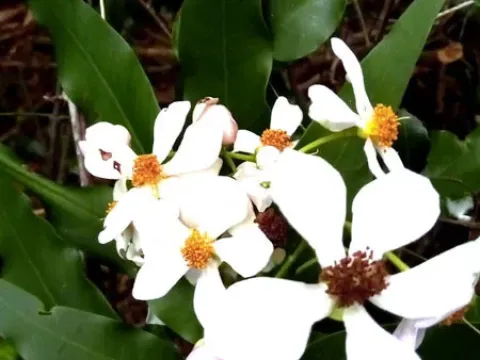
Diegodendron
Diegodendron
Diegodendron (Diegodendron humbertii) is a monotypic genus of evergreen trees belonging to the Bixaceae family. This rare plant is endemic to Madagascar and is primarily found in the dry tropical forests of the northern parts of the island, where it occupies a unique ecological niche.
What the section contains

Diegodendron
The species is well-adapted to environments with a marked dry season, exhibiting high tolerance for drought conditions. It thrives in tropical climates where temperatures remain consistently warm throughout the year, which is vital for its metabolic stability.
Soil requirements for Diegodendron involve well-drained, mineral-rich substrates. Due to the tree's slow growth rate and its status as a rare endemic species, it is not cultivated for agricultural purposes but is instead a subject of intense botanical study and conservation efforts.
Botanically, the plant is characterized by simple, alternate leaves and small flowers arranged in inflorescences. Its fruit structure, consisting of dry capsules, is a key diagnostic feature used by taxonomists to differentiate it within the Bixales order.
Cultivation protocols are limited to botanical gardens and conservation nurseries. Any attempts to propagate the species require precise simulation of its native microclimate, including specific light intensity and controlled watering schedules to avoid root stress.
The primary threat to Diegodendron is the progressive loss of its natural habitat on Madagascar. Deforestation driven by agriculture and urbanization severely limits the distribution range of this sensitive woody plant.
Pest pressure from indigenous tropical insects poses a constant threat to young seedlings in their natural environment. These herbivores can defoliate plants, hindering their development before they reach maturity.
Fungal pathogens are a significant risk when attempting to cultivate the tree outside its native range, particularly in areas with improper drainage. High humidity combined with insufficient air circulation often leads to root and stem rot.
Climate instability, characterized by erratic precipitation patterns, creates stress for existing populations. Since the species is highly adapted to specific seasonal shifts, any deviation affects its reproductive cycle and seed viability.
Lack of extensive field data regarding the specific diseases affecting Diegodendron makes management difficult. Conservation strategies currently prioritize protecting mature trees in situ rather than developing artificial cultivation methods.