
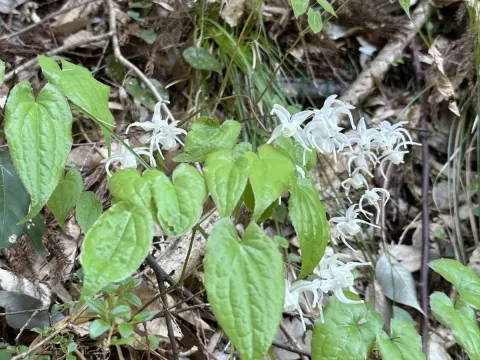
Epimedium sempervirens
Epimedium sempervirens
Epimedium sempervirens is a herbaceous perennial belonging to the Berberidaceae family. Native to the forest regions of Japan, this plant is highly valued for its evergreen foliage and elegant floral structure, making it a staple in ornamental horticulture.
What the section contains
Epimedium sempervirens
The cultural requirements for this species focus primarily on providing partial shade and consistent moisture. Exposure to direct sunlight, especially in warmer climates, can damage the leaves, so positioning the plant under deciduous canopy is highly recommended.
Regarding soil preference, the plant thrives in rich, loose, and well-drained substrates. A neutral or slightly acidic pH balance is ideal. Ensuring efficient drainage is critical, as stagnant water is the primary cause of root system decline in this species.
Climate adaptability is one of the strengths of Epimedium sempervirens, as it demonstrates significant cold tolerance. However, providing a layer of organic mulch during winter is a recommended practice to maintain soil temperature and moisture levels for the upcoming spring season.
From an agricultural standpoint, it serves as an excellent ground cover that prevents soil erosion and suppresses weeds. Its slow-spreading habit ensures long-term stability in garden designs, requiring minimal intervention once the plant is established in the appropriate microclimate.
The primary threats to Epimedium sempervirens include fungal infections, particularly leaf spot diseases, which typically develop in humid environments with poor air circulation. Proper spacing between plants is an essential preventive measure for healthy growth.
Slugs and snails present a significant threat, particularly to new foliage in the spring. Integrated pest management strategies, such as physical barriers or environmentally friendly baiting, are effective in protecting the plant’s aesthetic value during the early stages of growth.
Aphids can occasionally infest young stems, resulting in stunted development and leaf distortion. Periodic inspections during the growing season allow for the early removal of pests using mild insecticidal soaps before widespread infestation occurs.
Root rots can be a serious issue if the soil remains waterlogged. Preventing compaction and ensuring that the plant is not buried too deep during transplanting are crucial steps to maintain a healthy root architecture and overall plant vigor.
- Clearance of debris to reduce pest habitats.
- Application of fungicides if early symptoms appear.
- Monitoring soil moisture to prevent anaerobic conditions.