
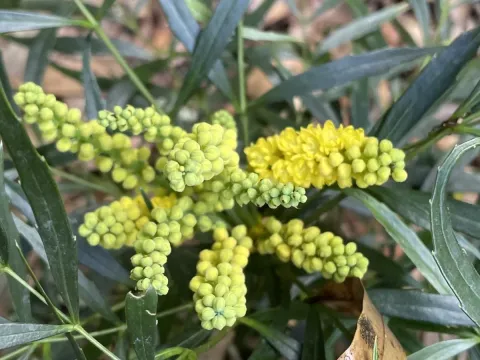
Eurybracteata barberry
Berberis eurybracteata
The Eurybracteata barberry (Berberis eurybracteata) is a perennial shrub belonging to the Berberidaceae family. Originally native to the mountainous regions of China, this species is noted for its evergreen foliage and elegant growth habit.
What the section contains
Eurybracteata barberry
This crop thrives in well-drained, fertile soil with a neutral to slightly acidic pH level. Proper site selection is crucial to ensure root health, as stagnant water is detrimental to the plant's long-term survival.
The plant requires a location with full sun to partial shade for optimal development. In cooler climates, providing a sheltered spot can help protect the shrub from harsh, drying winter winds that may damage its foliage.
Agrotechnical management involves regular pruning to maintain the desired shape and promote healthy growth. Organic mulch applied around the base helps to regulate soil temperature and retain moisture throughout the growing season.
In landscaping, this barberry species is widely used for decorative hedges and garden borders. Its robust appearance and year-round interest make it a versatile choice for modern garden designs.
Powdery mildew and leaf rust are the most frequent fungal threats to Berberis eurybracteata. Management focuses on maintaining good airflow within the shrub's canopy to prevent disease progression.
Pests, particularly aphids, can cause significant damage to new shoots if left untreated. Regular monitoring and the application of mild insecticidal soaps can help manage these infestations effectively.
Root rot is a major physiological threat often caused by improper drainage or excessive watering. Ensuring the planting site has adequate slope and permeable soil is the best preventative strategy.
Invasive fungal pathogens can overwinter in fallen leaves, making sanitation a critical part of the maintenance program. Removing debris from the base of the plant every autumn is essential.
To ensure plant resilience, monitoring the foliage for discolouration or irregular spots is advised. Early detection of pests or pathogens ensures that remediation remains targeted and effective.