
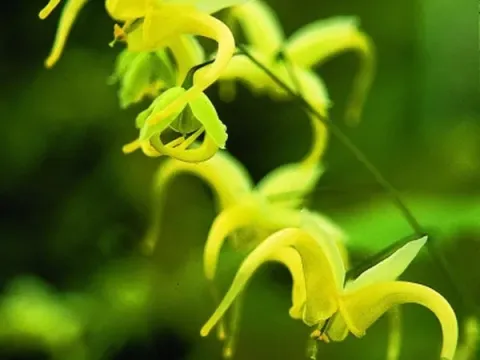
Epimedium franchetii
Epimedium franchetii
Epimedium franchetii is a distinctive perennial flowering plant belonging to the Berberidaceae family. It originates from the mountain forest regions of China, making it an excellent candidate for woodland-style gardening.
What the section contains
Epimedium franchetii
The plant thrives in partial shade or dappled sunlight conditions. It is essential to avoid direct midday sun, which can dehydrate the plant and cause the evergreen leaves to lose their aesthetic appeal.
Regarding soil requirements, this species favors rich, humus-laden, and well-draining soil. It performs best in a slightly acidic to neutral substrate that remains consistently moist throughout the growing season.
In terms of climatic adaptation, it is relatively hardy but benefits from a protective layer of mulch in regions with harsh winters. This protects the crown of the plant from extreme temperature fluctuations.
Routine cultural maintenance involves spring feeding with balanced organic fertilizers and the removal of damaged leaves before the new spring growth emerges to ensure a clean appearance.
Epimedium franchetii is generally considered a low-maintenance plant with high resistance to most major pathogens; however, poor drainage can quickly lead to root rot issues.
Slugs and snails are the most significant pests for this species. They are particularly drawn to the soft, fresh growth in the spring and can cause noticeable damage to the foliage.
Maintaining good air circulation between plants is vital to prevent fungal outbreaks. Planting at the correct density helps reduce the micro-environment humidity that favors pathogens.
If slugs become a problem, physical barriers such as crushed eggshells or environmentally friendly molluscicides can be used to protect the young shoots during the early season.
Regular inspection of the root zone and leaf undersides will allow for early detection of potential stress, ensuring the longevity and health of the Epimedium colony.