
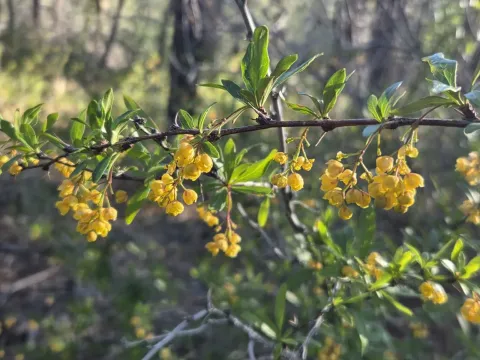
Fendler's barberry
Berberis fendleri
Fendler's barberry (Berberis fendleri) is a deciduous shrub species within the Berberidaceae family. Native to the mountainous regions of the southwestern United States, specifically parts of Colorado and New Mexico, this plant is well-adapted to rocky substrates and harsh, semi-arid climatic conditions.
What the section contains
Fendler's barberry
The plant thrives in well-drained, slightly acidic to neutral soil types. Providing adequate drainage is paramount, as the species is highly susceptible to root rot if subjected to waterlogged soil conditions. It typically grows best in full sunlight, which promotes vigorous vegetative growth and dense branch development.
Agronomic management involves regular pruning to maintain the desired size and shape of the shrub. Because the species can grow into thick, thorny barriers, pruning is often performed to manage its spread and prevent overcrowding. It is a resilient plant that requires minimal additional irrigation once established.
Propagation is generally handled through seed stratification or semi-hardwood cuttings. The seeds often require a period of cold treatment to break dormancy, mimicking the natural winter cycles of its native alpine habitat, which ensures optimal germination success rates during the subsequent growing season.
In terms of agricultural and horticultural utility, Berberis fendleri is primarily used for ornamental landscaping and the establishment of functional, defensive hedge rows. Its natural resistance to moderate drought makes it a sustainable choice for xeriscaping projects and erosion control in rugged terrain.
Like many species of the genus Berberis, Fendler's barberry is susceptible to powdery mildew. This fungal disease manifests as a white, dusty layer on leaves and stems, particularly in damp or overcrowded conditions. Proper air circulation remains the most effective preventive measure.
Rust diseases pose a significant challenge, as the shrub can serve as an alternate host for various rust fungi. Farmers and gardeners should monitor plants closely during the early spring and consider fungicide applications if symptoms such as yellow or orange spore clusters appear on the foliage.
Barberry aphids are the most common insect pest affecting this species. They cluster on young shoot tips, extracting nutrients and causing leaves to curl and yellow. Management strategies involve either integrated pest management using predatory insects or the application of horticultural soaps and systemic pesticides.
Caterpillars and other leaf-chewing insects can also cause damage to the shrub's foliage. While a healthy, mature plant can usually tolerate some level of herbivory, severe infestations require intervention to maintain the plant's health and aesthetic appeal during the summer months.
Proactive care involves clearing debris from around the base of the plant to prevent the overwintering of pathogens and pests. By maintaining a clean growing area and ensuring the shrub is not stressed by nutrient deficiencies, growers can significantly reduce the need for chemical disease control.