
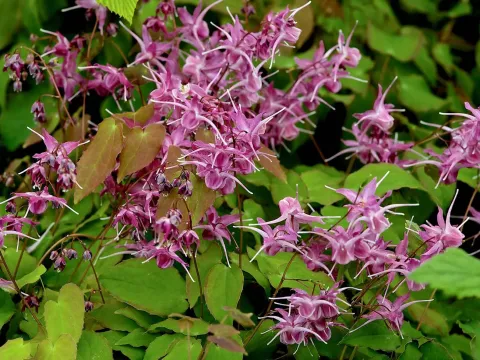
Epimedium elatum
Epimedium elatum
Epimedium elatum is a herbaceous perennial plant belonging to the Berberidaceae family. It is native to forest regions, primarily found in mountainous zones where it thrives in cool, shaded environments under the forest canopy.
What the section contains
Epimedium elatum
Botanically, this species is characterized by its rhizomatous growth habit, which allows it to form extensive ground covers. The leaves are typically compound, leathery, and heart-shaped, often exhibiting beautiful coloration during spring and autumn, adding significant value to the plant.
Cultivation requires fertile, well-draining soil rich in organic matter. The optimal soil pH is slightly acidic to neutral. Ensuring the soil structure remains loose and aerated is crucial for the development of the horizontal root system, which is essential for plant longevity.
Climate requirements include protection from harsh midday sun and strong winds. The plant is hardy and well-suited for temperate climates, provided that the soil moisture is maintained consistently throughout the growing season without allowing waterlogging, which the plant cannot tolerate.
Horticulturally, Epimedium elatum is prized for its ability to suppress weeds and its high ornamental appeal. It is commonly used in woodland gardens, rockeries, and shady borders. Certain species within the genus are also studied for their bioactive compounds, like icariin.
The primary threats to Epimedium elatum involve fungal pathogens linked to excessive soil moisture. Root rot is a common issue if drainage is inadequate, leading to the rapid decline of the plant. Maintaining proper spacing between specimens improves airflow and minimizes risk.
Leaf spot diseases can occur during humid summers. These infections are often cosmetic but can weaken the plant if left untreated. Prompt removal and destruction of affected foliage are recommended to prevent the spores from spreading further across the garden bed.
Slugs and snails represent the most significant pest pressure, especially for young foliage in the early spring. These pests can rapidly defoliate a plant. Implementing barriers or using selective biological control agents is effective in maintaining the health of the cultivation.
Aphids and spider mites may occasionally infest the foliage, particularly if the plant is stressed by drought or excessive heat. Regular monitoring during hot weather allows for early detection, enabling gardeners to apply mild soap-based sprays if intervention is necessary.
Cultural management plays a critical role in preventing these threats. By providing the plant with the correct amount of light, consistent but moderate moisture, and a fresh layer of organic mulch annually, the grower can create an environment where the plant remains highly resistant.