
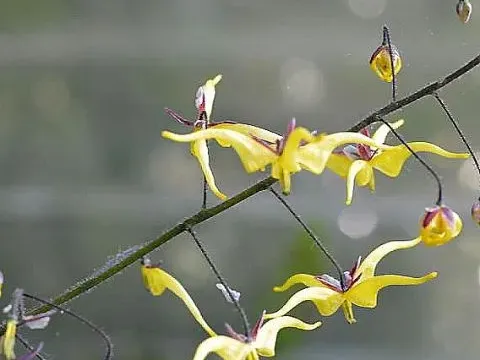
Epimedium elongatum
Epimedium elongatum
Epimedium elongatum is a perennial herbaceous plant belonging to the Berberidaceae family. Native to mountain regions, it is valued for its unique foliage and resilient nature in shaded garden environments.
What the section contains
Epimedium elongatum
The plant thrives in loose, humus-rich soils that provide adequate drainage. A neutral to slightly acidic pH is ideal for promoting healthy root development and efficient nutrient absorption during the growing season.
Choosing the right location is crucial; Epimedium prefers partial shade or dappled light. Intense direct sunlight can scorch the delicate leaves, while excessively dense shade may reduce the plant's growth vigor.
Moisture management is key to successful cultivation. While the species is somewhat drought-tolerant once established, consistent soil moisture during the active growth phase ensures optimal ornamental and medicinal quality.
Regarding winter hardiness, the plant generally withstands moderate cold. In colder climates, applying a layer of organic mulch around the base in late autumn helps protect the root system from deep soil freezing.
Snails and slugs are the most significant pests, particularly during the spring when new growth emerges. Implementing barrier methods or using organic slug baits can effectively protect the plants from significant leaf damage.
Fungal issues, such as leaf spot or powdery mildew, can occur in poorly ventilated or excessively humid conditions. Proper spacing during planting is the primary cultural practice to prevent these occurrences.
Root rot is a common problem caused by waterlogged soil. To prevent this, ensure the planting site is well-drained and avoid over-irrigating during dormant or high-humidity periods.
Occasional infestations of aphids may occur on the tender shoots. Monitoring the plant during the early spring allows for early intervention, often manageable with mild horticultural soaps or botanical oil sprays.
Sanitation practices, such as removing old or diseased foliage at the end of the season, significantly reduce the risk of recurring pest and disease problems in subsequent years.