
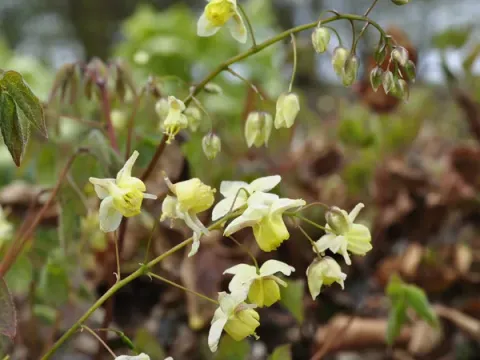
Epimedium pubigerum
Epimedium pubigerum
Propagation of Epimedium pubigerum is most efficiently achieved through vegetative division of established clumps. The ideal time for this procedure is early spring before new growth emerges or late summer, allowing the plant to re-establish before the onset of winter.
What the section contains
Epimedium pubigerum
Seed propagation is also possible, though it requires a stratification process to break dormancy. Seeds should be sown in autumn or kept in a cold environment for several months to simulate natural conditions, which significantly improves germination rates.
When sowing seeds, they must be covered only lightly with a thin layer of fine substrate. Since Epimedium seeds are sensitive to light levels and moisture consistency, maintaining a stable environment is essential for successful seedling development.
Growth of young seedlings is typically slow in the first two years. During this phase, it is crucial to keep the cultivation area free from aggressive weeds that might outcompete the young plants for sunlight and soil nutrients.
When planting out divisions or nursery-grown seedlings, a spacing of 35 to 40 cm is recommended. This provides sufficient room for the plant to spread its rhizomes and form a dense, weed-suppressing carpet over several growing seasons.
Epimedium pubigerum is a member of the Berberidaceae family and is highly regarded as a resilient groundcover for shady environments. It is native to the Balkan Peninsula, naturally thriving in forest edges and rocky, well-draining terrains.
The plant prefers partial shade or dappled light conditions. While it is quite adaptable, exposure to intense direct sunlight can scorch the foliage and reduce the overall health and ornamental appeal of the plant during the peak of summer.
Soil requirements for this species include good drainage and moderate fertility. It performs best in neutral to slightly acidic soils enriched with organic matter. Waterlogged soil should be avoided at all costs to prevent root rot and general decline.
Regular watering is necessary during the establishment phase and in dry summer spells. Mulching with organic matter such as leaf mold or compost helps retain soil moisture, stabilizes temperature, and provides a continuous supply of slow-release nutrients.
The species is considered hardy, capable of surviving cold winters in moderate climates. In regions with extremely harsh, frost-prone winters and little snow cover, a protective layer of mulch or evergreen boughs can prevent damage to the crown of the plant.
Epimedium pubigerum is generally resistant to pests and diseases, which is a major advantage for low-maintenance landscaping. However, in poorly ventilated or excessively humid conditions, fungal issues like leaf spot or powdery mildew may occasionally occur.
Slugs and snails are the most prominent threats to the foliage, especially in spring when tender new leaves are emerging. These pests can cause significant aesthetic damage, making protective measures like barriers or traps necessary in susceptible gardens.
Root-dwelling insects, such as vine weevil larvae, can occasionally damage the rhizomes. If a patch of the plant shows signs of sudden wilting or weak growth without an obvious cause, checking the root system for insect activity is a prudent step.
Good horticultural hygiene is the best defense against threats. Keeping the area free of debris where pests might hide and ensuring good air circulation around the plants will keep the incidence of disease to a minimum.
If chemical or biological treatments are deemed necessary, they should be applied judiciously. It is always recommended to prioritize cultural controls such as hand-picking slugs or adjusting irrigation methods to improve the plant's natural resilience.