
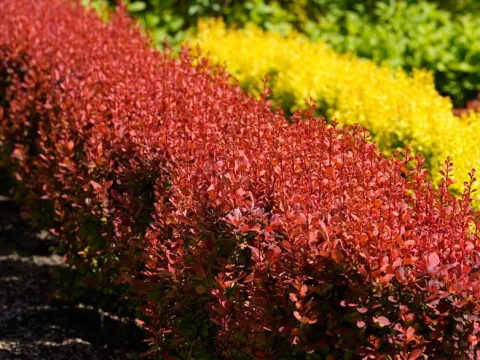
European barberry
Berberis hortensis
The cultivation of the European barberry (Berberis vulgaris) is typically initiated through planting nursery-grown shrubs. The best time for planting is early spring before the start of sap flow or in autumn, allowing sufficient time for root establishment before the ground freezes.
What the section contains
European barberry
For seed propagation, sowing is carried out in open ground before winter. The seeds require a natural period of stratification through winter cold, which significantly improves germination rates when temperatures rise in early spring.
When planning a plantation or a hedge, spacing is crucial for plant health. Depending on the desired purpose, plants should be spaced 1.5 to 2 meters apart for berry production, while hedge rows require a closer spacing of about 0.5 meters.
Choosing an appropriate site is essential; barberry thrives in sunny, well-lit locations. While it exhibits tolerance to partial shade, full sun exposure is necessary for maximum berry production and the development of rich leaf color.
Preparing the planting hole involves adding organic matter like compost or well-rotted manure. If the soil is acidic, adding wood ash or lime is recommended to create a neutral to slightly alkaline environment, which the shrub favors.
Belonging to the Berberidaceae family, the European barberry is a hardy plant with high adaptability to various soil types. It performs best in well-drained, fertile loam but is capable of growing in sandy soils as well.
Water management is critical, as barberry does not tolerate waterlogged conditions. Excessive soil moisture leads to root rot, so ensuring proper drainage at the planting site is a fundamental step in the agricultural process.
The species is exceptionally winter-hardy and requires no special protection in temperate climates. It naturally endures harsh freezing temperatures, remaining dormant and protected during the winter months.
Routine care involves consistent cultivation of the soil around the base and weeding. Mulching with organic materials such as peat or straw helps retain soil moisture and suppresses the emergence of unwanted vegetation.
Fertilization programs are typically started in the second year. Nitrogen-rich fertilizers are applied early in the spring to encourage leaf growth, whereas potassium and phosphorus supplements are favored later in the season to enhance fruit quality.
The European barberry serves various economic purposes, including food production, landscape design, and medicinal use. Its berries, rich in vitamin C and organic acids, are a popular culinary ingredient for sauces, preserves, and traditional dishes.
Under optimal management, a mature shrub can produce between 5 and 10 kilograms of fruit per season. The harvest occurs once the berries reach their full deep-red maturity, ensuring the best flavor profile for processing.
The plant is highly valued in the pharmaceutical sector for its alkaloid content, particularly berberine. Extracts from the roots and bark are used in various traditional and modern medical preparations for their therapeutic benefits.
In landscaping, barberry is a staple for creating dense, thorny hedges that provide privacy and security. Its ability to tolerate regular shearing makes it a versatile choice for formal gardens and intricate topiary work.
Beekeepers often value barberry for its contribution to honey production. The flowers are rich in nectar and attract a high volume of pollinators, which is beneficial for the entire ecosystem and nearby agricultural yields.
Rust disease is a significant concern for barberry producers. Because Berberis vulgaris acts as an alternate host for stem rust, it is often discouraged to plant it near cereal fields to prevent the spread of the fungus to wheat or barley crops.
Powdery mildew can affect the leaves during periods of high humidity or poor air circulation. Management includes pruning to maintain an open canopy and the timely application of fungicides to protect the foliage.
The barberry sawfly is a primary pest that can cause substantial defoliation if left unchecked. Early detection during spring inspections is vital, allowing for targeted treatments to prevent the larvae from damaging the plant's photosynthetic capacity.
Aphids are another common pest that targets new growth. While they are usually managed by beneficial insects in a healthy garden, heavy infestations may require the use of insecticidal soap or other biological control methods.
Bacterial blight can manifest as spots on stems and branches. Infected parts must be pruned back to healthy wood and destroyed immediately to prevent the infection from systemic spread within the shrub.
Harvesting usually takes place in late September or October. It is important to wait until the berries are completely ripe and have lost their excessive bitterness, which only occurs after the plant has reached peak maturity.
Due to the sharp, defensive thorns characterizing the branches, workers must wear heavy-duty gloves during the harvest. This precaution prevents injury and allows for a more efficient picking process.
Post-harvest handling is critical because fresh barberries have a high moisture content and are prone to spoilage. Common preservation methods include immediate freezing or drying, which extends the shelf life for year-round culinary use.
Drying is best accomplished in a well-ventilated area away from direct sunlight. This slow drying process helps preserve the nutritional value and unique tart flavor of the berries for later consumption.
Once dried, the berries should be stored in airtight containers to prevent moisture re-absorption and pest access. Properly stored barberries remain high-quality and shelf-stable for several years.