
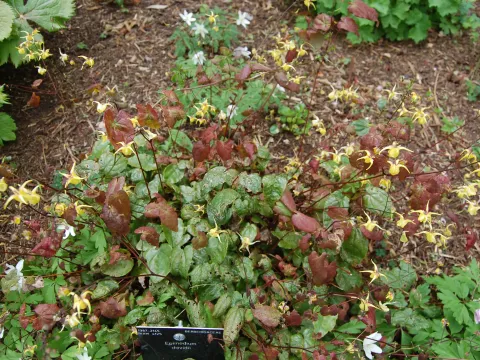
Epimedium davidii
Epimedium davidii
Epimedium davidii belongs to the Berberidaceae family and is commonly propagated via division. The best time to divide the rhizomes is in early spring, just before the new growth starts to emerge, or in the early autumn months.
What the section contains
Epimedium davidii
Seeds of this species require a cold stratification process to germinate successfully. In a nursery setting, seeds are sown in trays immediately after harvesting and kept in a cold frame or a cool, shaded area during the winter period.
When dividing, each clump must possess a robust section of the rhizome with at least three viable buds. This ensures the plant establishes its root system effectively within the first growing season after transplanting.
New divisions should be planted at the same depth they were growing previously. Burying the crown too deeply can lead to crown rot, while planting too shallowly may cause the roots to dry out under the heat of the sun.
It is recommended to space the plants about 30 to 45 centimeters apart to allow them to fill in the space and create a dense, weed-suppressing carpet over time. Initial watering is critical for settling the soil around the roots.
Epimedium davidii thrives in shaded or semi-shaded environments, making it an excellent choice for woodland gardens. It prefers protection from harsh afternoon sun, which can scorch its delicate foliage.
The soil should be fertile, humus-rich, and well-draining. While the plant can tolerate various soil types, it performs best in neutral to slightly acidic conditions with high levels of organic matter.
Adequate moisture is essential during the initial establishment period and throughout the growing season. A mulch layer of leaf mold or wood chips helps to retain ground moisture and suppresses competitive weed growth.
This species is well-adapted to cooler climates and is considered very hardy. It can withstand freezing temperatures, and in many regions, the foliage remains semi-evergreen, providing interest even during the dormant season.
Improving the soil structure is vital if the site consists of heavy clay. Adding organic compost or horticultural grit will ensure the drainage is sufficient to prevent waterlogging, which the species dislikes.
Epimedium davidii is generally resistant to major pests and diseases if provided with a suitable growing environment. However, excessive soil moisture combined with poor airflow can lead to fungal infections.
Botrytis or gray mold may appear if the plants are crowded or if there is excessive dampness. Improving airflow by spacing plants properly and clearing debris around the base is an effective preventative measure.
Slugs and snails can be problematic, especially during wet springs when new foliage is tender. These pests feed on the leaves, creating irregular holes that detract from the visual appeal of the plant.
Gardeners can use organic bait or copper tape barriers to discourage slug activity. Regularly clearing away garden debris where pests hide also significantly reduces the pressure on the young plants.
While aphids are less common on this species, it is still advisable to monitor the growth tips in late spring. If an infestation is detected, a simple jet of water or insecticidal soap spray usually resolves the issue.