
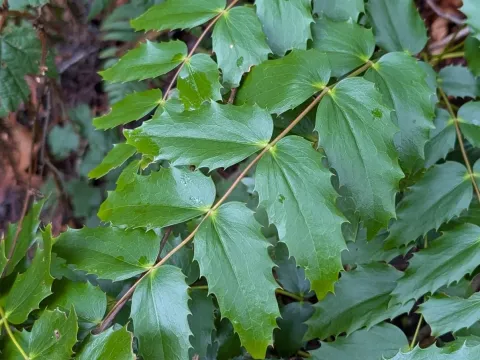
Cascade Barberry
Berberis nervosa
Cascade Barberry (Berberis nervosa) is a low-growing, evergreen shrub belonging to the Berberidaceae family, native to the Pacific Northwest region of North America.
What the section contains
Cascade Barberry
This species is specifically adapted to woodland environments, thriving in shaded areas with organic-rich, acidic, and well-drained forest soils.
It requires consistent moisture throughout the growing season and performs best when protected from harsh, drying winds and intense, direct midday sunlight.
Soil preparation should involve the addition of pine bark or leaf mold to simulate the natural forest floor environment, which helps maintain the preferred low pH.
Maintenance involves minimal intervention; however, providing a layer of organic mulch annually is essential to conserve soil moisture and suppress competition from weeds.
The plant is generally robust but can be susceptible to common fungal diseases, particularly leaf spot and various types of rusts, especially in poorly ventilated locations.
Pests such as aphids and spider mites can occasionally affect the foliage, particularly during dry, hot weather, leading to reduced vigor and aesthetic damage.
Good cultural practices, such as ensuring adequate spacing between plants and removing dead or diseased wood, are the most effective ways to manage potential threats.
Watering should be directed at the base of the plant to keep the foliage dry, which significantly reduces the risk of foliar fungal pathogens developing.
If chemical interventions are necessary, organic horticultural oils or approved fungicides should be applied according to the manufacturer's instructions for ornamental plants.