
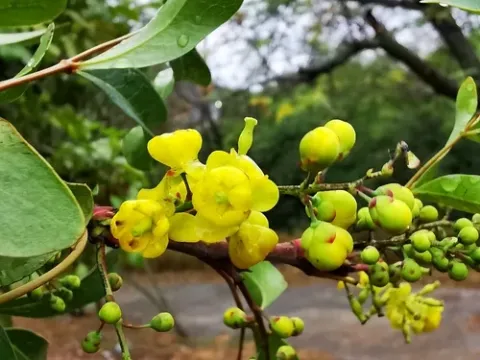
Chochoco barberry
Berberis chochoco
Chochoco barberry (Berberis chochoco) is a perennial shrub belonging to the Berberidaceae family. This species originates from South America and is valued for its hardiness and specific fruit characteristics, making it an interesting subject for agricultural study.
What the section contains
Chochoco barberry
The crop thrives in well-drained soils with a slightly acidic to neutral pH. It is essential to choose planting sites that avoid waterlogging, as the root system is sensitive to excessive moisture, which can lead to rapid decay in heavy, compacted soils.
High levels of sunlight are required to ensure robust growth and successful fruit maturation. While the plant is quite adaptable, its performance significantly drops in shaded environments, where the density of the shrub and its reproductive potential decrease.
Cultural practices should emphasize consistent pruning to maintain airflow within the canopy. Pruning not only shapes the plant but also removes older branches that are less productive, thereby focusing the energy on younger, fruit-bearing wood.
Watering requirements are moderate; however, supplemental irrigation during the peak summer months is beneficial for maintaining berry quality. Proper soil management, including mulching, helps retain moisture and regulate soil temperature during hot spells.
Powdery mildew is a common fungal disease affecting the foliage of the Chochoco barberry. To prevent its onset, it is crucial to manage spacing between individual plants to ensure adequate ventilation and to remove any debris around the base.
Aphids often target new, succulent growth in the spring. If left unchecked, they can cause leaf curling and stunt the overall development of the shrub, necessitating timely intervention with insecticidal soaps or biological control agents.
Rust infections can occur during humid growing seasons, causing characteristic spots on the leaves. Systematic monitoring and the use of copper-based fungicides when necessary can effectively mitigate the impact of this pathogen on the harvest.
Leaf-eating insects, including various types of caterpillars, can cause significant cosmetic and physiological damage. Integrated pest management strategies are recommended to reduce reliance on chemicals and protect beneficial pollinators in the area.
Root rot is primarily a symptom of improper drainage. To mitigate this threat, growers must ensure that the planting site has adequate slope or artificial drainage, preventing the buildup of water in the root zone during heavy precipitation.