
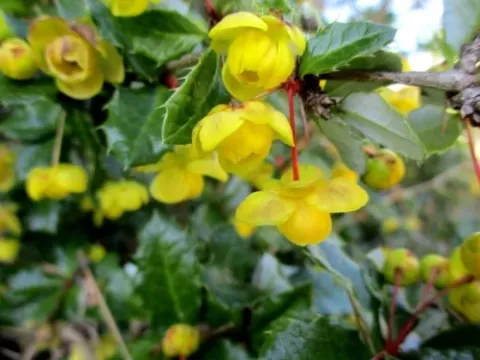
Bristol barberry
Berberis bristolensis
Bristol barberry (Berberis bristolensis) is a charming ornamental shrub that belongs to the Berberidaceae family. It is widely recognized for its compact growth habit and vibrant foliage, making it a staple in contemporary landscaping projects.
What the section contains
Bristol barberry
This shrub thrives in full sun, which is crucial for maintaining the plant's structural integrity and leaf coloration. It prefers well-drained, fertile soil types ranging from slightly acidic to neutral, avoiding areas prone to waterlogging.
Regarding climate, the plant exhibits good hardiness and can withstand cold winter temperatures once established. However, young plants benefit from an organic mulch layer during their first growing season to protect roots from temperature fluctuations.
Agricultural management includes basic watering during dry spells and annual pruning to maintain the desired shape and size. It does not require intensive fertilization, although a balanced slow-release fertilizer can support healthy spring growth.
Proper spacing between plants is essential for ensuring adequate air circulation, which prevents humidity-related issues within the dense foliage of the shrub.
The primary health concerns for Berberis bristolensis include powdery mildew and rust, which often occur in poorly ventilated garden spots with high humidity levels.
Pests such as aphids and sawflies are the most common insects that may attack the foliage, necessitating regular monitoring throughout the spring and early summer months.
Effective management strategies involve the use of insecticidal soaps for aphid control and specific fungicides to combat fungal outbreaks before they cause significant damage.
Maintaining a clean garden bed by removing debris and weeds helps reduce the risk of pest infestation and minimizes the survival of fungal spores near the shrub.
In cases of severe infestation, targeted chemical treatments should be applied strictly according to manufacturer instructions to ensure both the plant's health and environmental safety.