
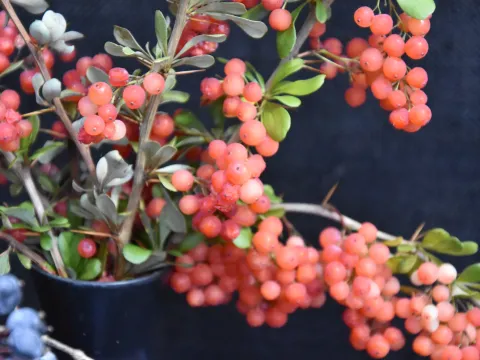
Carmine barberry
Berberis carminea
Carmine barberry (Berberis carminea) belongs to the Berberidaceae family and is recognized for its vibrant foliage and unique ornamental characteristics. It typically grows as a dense, thorny shrub, which serves as both a visual feature and a structural element in landscape design.
What the section contains
Carmine barberry
The plant thrives in full sun, which is essential to maintain the intensity of its coloration. While it can tolerate partial shade, insufficient light often results in elongated stems and a sparse leaf canopy, diminishing its overall aesthetic value.
Regarding soil, this species prefers well-drained, fertile substrates with a moderate pH level. It is highly adaptable but dislikes heavy, waterlogged soils that inhibit oxygen uptake and promote root-related physiological stresses.
Climatically, the plant is quite hardy, showing strong resistance to seasonal temperature fluctuations. It remains dormant during winter and reliably resumes growth in spring, making it a low-maintenance choice for many regions.
Cultivation practices involve regular pruning to shape the plant and remove dead wood. This shrub is particularly responsive to shearing, allowing it to be used effectively for manicured hedges or as a standalone architectural focus in the garden.
Powdery mildew is the most prevalent fungal disease affecting this species, often appearing during periods of high humidity. Improving air circulation around the shrub is the primary method of preventing widespread fungal outbreaks.
Barberry aphids are common pests that colonize the underside of leaves and tender stems. Control is best achieved through integrated pest management, starting with horticultural soaps and escalating to systemic insecticides if necessary.
Leaf rust can periodically affect the plant, especially in areas with stagnant air. Avoiding overhead irrigation and keeping the foliage as dry as possible during evening hours reduces the conditions necessary for rust spores to germinate.
Root rot caused by Phytophthora species is a critical threat in poorly drained soils. Ensuring that the planting site has adequate slope or artificial drainage material is essential for long-term health.
Pests like the sawfly larvae can strip leaves rapidly if left unchecked. Regular monitoring during the spring growth phase is vital to catch infestations early, minimizing the need for heavy chemical intervention.