
Berberis insignis
Berberis insignis
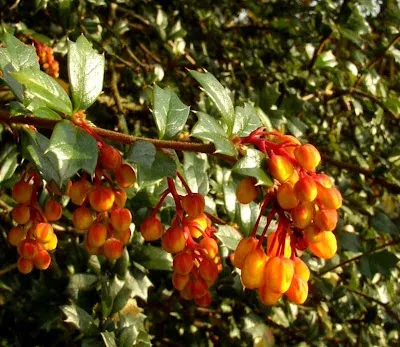
Description
Growing requirements
Berberis insignis is an evergreen shrub belonging to the Berberidaceae family. Native to the Himalayan region, including Nepal, Bhutan, and India, this plant thrives in mountain habitats where humidity levels remain relatively high throughout the year.
The plant requires specific climate conditions, preferring temperate environments with minimal frost exposure. In cultivation, it is best suited for regions with mild winters, as severe cold can cause significant damage to its evergreen foliage and woody structure.
Soil requirements are strict, necessitating well-draining, fertile, and slightly acidic to neutral substrates. The presence of organic matter is beneficial for promoting healthy root development and overall plant vigor in garden settings.
Agrotechnical practices focus on consistent irrigation and moisture management. During the growing season, gardeners should ensure the soil remains moist but never waterlogged to prevent root pathogens from becoming established in the substrate.
Economically, Berberis insignis is primarily valued as an ornamental species. Its dense growth habit and elegant evergreen leaves make it an excellent choice for landscape design, particularly as an attractive hedge or specimen shrub in temperate climates.
Main diseases and pests
The most significant threats to Berberis insignis include fungal diseases such as powdery mildew and rust. These conditions are typically exacerbated by poor air circulation and high humidity levels in densely planted environments.
Common pests include aphids and various types of leaf-rollers that feed on the tender young foliage. Heavy infestations can lead to reduced growth and aesthetic degradation of the shrub's appearance throughout the growing season.
Integrated pest management strategies involve regular monitoring and the application of targeted insecticides only when threshold levels are reached. Maintaining plant vigor through proper fertilization is a key deterrent against pest attacks.
Soil-related issues, such as iron chlorosis, can occur if the soil pH is not maintained within the appropriate range. Correcting this requires the use of chelated micronutrients applied directly to the foliage or soil as needed.
In colder regions, winter protection is essential for long-term survival. Using mulches such as pine bark or straw can help regulate soil temperature and prevent the roots from freezing during sudden cold snaps in the winter months.