
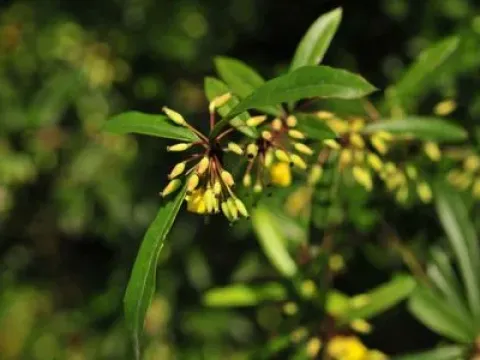
Berberis lempergiana
Berberis lempergiana
Berberis lempergiana is a perennial deciduous shrub belonging to the Berberidaceae family. This species is recognized for its unique botanical structure and high ornamental value, making it an excellent candidate for inclusion in botanical collections and residential landscapes.
What the section contains
Berberis lempergiana
Originating from regions of Central China, the plant is well-adapted to temperate climates. It performs best in full sun exposure, which ensures the development of vibrant foliage and promotes healthy growth, although it shows moderate tolerance to partial shade conditions.
Regarding soil requirements, Berberis lempergiana demands well-drained, fertile soil with a neutral to slightly acidic pH. It is critical to avoid waterlogged conditions, as the root system is highly sensitive to excessive moisture, which can lead to root rot during the dormant season.
The climatic adaptability of this species allows it to thrive in various temperate zones. However, during severe winter conditions, young shrubs should be provided with organic mulch around the base to protect the root zone from extreme temperature fluctuations and frost heaving.
Routine agrotechnical practices for this shrub involve regular pruning to maintain an aesthetic shape and remove dead or diseased wood. Fertilization should be managed with balanced NPK fertilizers applied early in the spring to support vigorous growth and again in late summer to aid wood maturation.
The primary health concerns for Berberis lempergiana include susceptibility to powdery mildew and rust. These fungal diseases typically emerge in high-humidity environments, and their management relies heavily on maintaining proper spacing between plants to ensure adequate air circulation.
Pest pressures are usually moderate, with barberry aphids being the most common threat to the young shoots. Integrated pest management, including regular visual inspections and the application of horticultural oils or soaps during the initial stages of infestation, is recommended for long-term health.