
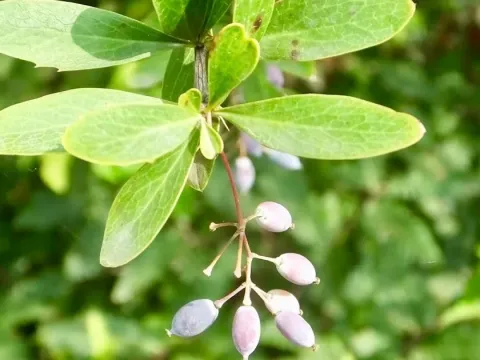
Berberis lycium
Berberis lycium
Propagation of Berberis lycium is primarily achieved through seed sowing or stem cuttings. Seeds should be sown in autumn outdoors or in spring following a mandatory stratification process, lasting at least three months at temperatures between 2 and 5 degrees Celsius.
What the section contains
Berberis lycium
When sowing seeds, it is crucial to maintain a planting depth of approximately 1 to 2 centimeters. The soil medium must be well-drained and friable, ensuring optimal germination rates and healthy development of the primary root system.
Vegetative propagation via cuttings is best performed during the summer, utilizing semi-hardwood shoots. The application of root-promoting hormones significantly increases the success rate of young saplings, provided they are kept in a humid and shaded environment.
For establishing plantations, a spacing of 1.5 to 2 meters between individual plants is recommended. This spacing ensures adequate nutrient availability and promotes optimal light penetration, which is vital for vigorous growth and fruit production.
Planting saplings into their permanent location is most successful in early spring before active sap flow begins, or in autumn at least one month before the first hard frost, allowing roots to establish.
Berberis lycium is a member of the Berberidaceae family, characterized as a hardy deciduous or semi-evergreen shrub. It is native to the Himalayan region, which makes it well-adapted to mountainous and variable climates.
The species requires full sun to partial shade; however, optimal fruit production is achieved in areas with maximum light exposure. While it is drought-tolerant once established, supplemental watering during prolonged dry spells is essential for high yields.
It adapts to various soil types but thrives in well-drained loamy soils with a neutral or slightly alkaline pH. Proper drainage is critical, as waterlogged conditions in the root zone can lead to root rot and diminished plant health.
Given its natural origin, the plant possesses excellent cold hardiness and is capable of enduring significant temperature fluctuations. It is a highly resilient shrub, making it a reliable choice for diverse ecological conditions.
Regular maintenance, including strategic pruning, is necessary for this culture. Pruning helps maintain the desired shape, stimulates fresh growth, and improves air circulation, which is a preventive measure against various fungal diseases.
The agricultural and medicinal value of Berberis lycium lies in its berries, bark, and roots, which contain high concentrations of the alkaloid berberine. These parts are extensively used in traditional medicine for their therapeutic properties.
Yield capacity is dependent on the plant's age, maturity, and the level of agricultural care provided. Mature bushes that receive proper fertilization and pruning are capable of producing significant annual harvests.
The plant also serves as an important honey-producing species, attracting various pollinators that enhance the overall biodiversity of the agricultural ecosystem. It is an excellent choice for agroforestry projects.
Harvesting raw materials should be done with care to ensure the long-term vitality of the plants. Roots and bark should only be harvested from mature specimens, with careful management to allow the plant population to recover.
Beyond medicinal use, Berberis lycium is prized in landscape architecture. Its thorny nature makes it an excellent choice for functional living fences that provide protection and aesthetic appeal to garden boundaries.
Powdery mildew is a common challenge for this shrub, appearing as a white fungal growth on leaves. Management involves using sulfur-based fungicides and ensuring adequate airflow by maintaining proper spacing between plants.
Rust diseases are a significant concern, as Berberis species can serve as alternate hosts for fungi affecting cereals. In regions where grain production is prevalent, regional regulations regarding the cultivation of certain Berberis species should be consulted.
Aphids represent the primary insect pest for this culture, feeding on young shoots and leaves. Regular monitoring and the application of systemic or contact insecticides during early infestations are effective control strategies.
Caterpillars of various moth species can cause defoliation if left unchecked. Integrated pest management, which includes manual removal and the use of biological control agents, is recommended for sustainable farming.
Overall plant health is the best defense against threats. Keeping the surrounding area free of weeds and ensuring the plant has enough nutrition through balanced fertilization significantly enhances its natural resistance to diseases.
Berries should be harvested when they reach full maturity, indicated by a dark purple or black color. Timing is crucial, as overly ripe fruit can be fragile and prone to damage during the collection process.
Post-harvest management involves rapid drying or immediate processing of the berries to prevent spoilage. This ensures the retention of vital vitamins and phytochemical compounds that make the fruit valuable.
Root and bark harvesting is best conducted during the dormant season, typically in late autumn or early spring. The material must be cleaned of soil debris and washed thoroughly before being prepared for the drying process.
Drying should take place in a cool, dark, and well-ventilated area, or in specialized temperature-controlled dryers. Maintaining low temperatures prevents the degradation of the active alkaloids found within the plant tissue.
Proper storage is essential; once dried, the raw material should be kept in airtight containers in a cool, dry place. This approach extends the shelf life and potency of the final medicinal product significantly.