
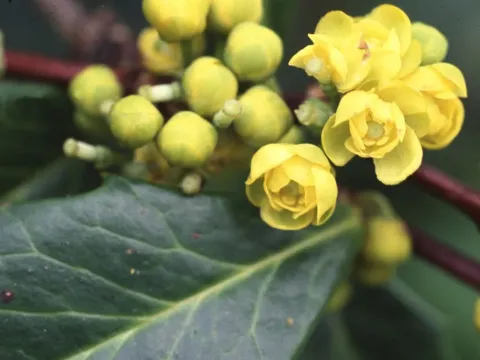
Berberis hypokerina
Berberis hypokerina
Berberis hypokerina is a remarkable evergreen shrub belonging to the Berberidaceae family. It originates from the high-altitude regions of Myanmar and parts of China, thriving in temperate, moist environments.
What the section contains
Berberis hypokerina
The plant is botanically distinguished by its rigid, leathery leaves which possess a unique glaucous coating on the underside. It maintains a compact growth habit, making it an excellent choice for ornamental gardening and landscape design.
To ensure healthy development, Berberis hypokerina requires well-drained, slightly acidic to neutral soil. Proper drainage is absolutely essential, as the roots are highly susceptible to rot if subjected to waterlogging.
Ideally, this shrub should be planted in partial shade, shielded from harsh winds and intense afternoon sunlight. In cooler climates, providing winter protection during the first few years is recommended to prevent frost damage to the foliage.
Cultural practices should include regular fertilization during the spring growth phase and diligent pruning to maintain the desired shape. Watering should be kept consistent, increasing frequency during particularly dry summer spells.
The primary threats to Berberis hypokerina include fungal diseases such as powdery mildew and various leaf rusts. High humidity levels without adequate air circulation significantly increase the risk of these infections.
Pests like aphids and leaf-rollers can cause significant damage to young foliage. Integrated pest management strategies, such as using horticultural oils or systemic insecticides, are effective in controlling these outbreaks.
Regular monitoring of the plant's health is crucial to detect early signs of infestation. Removing dead or diseased branches helps prevent the spread of pathogens throughout the shrub's canopy.
Soil quality must be managed to avoid excessive salinity, which can negatively impact the plant's nutrient uptake. Avoiding heavy application of synthetic fertilizers will keep the root system robust and healthy.
By implementing correct spacing between plants, growers can ensure better airflow, which inherently reduces the incidence of common diseases associated with this shrub species.