
Berberis heteropoda
Berberis heteropoda
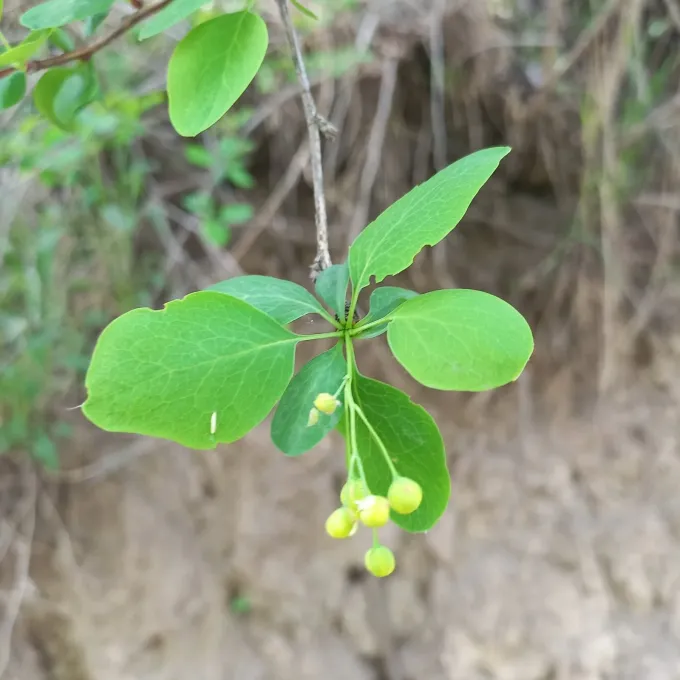
Description
Sowing dates
The propagation of Berberis heteropoda is primarily achieved through seeds, which should ideally be sown in the autumn to undergo natural stratification during winter.
If seeds are stored in a dry environment, they must be artificially stratified in a refrigerator at 0–5°C for at least three to four months before spring sowing.
Commercial plantations often prefer vegetative propagation via cuttings, as this method guarantees the consistency of desirable characteristics in the new plants.
Semi-hardwood cuttings are taken during the summer months, treated with root-stimulating hormones, and placed in a greenhouse with controlled humidity levels.
For field planting, spacing should be carefully managed, with rows positioned 2 to 2.5 meters apart to allow for machinery passage and proper aeration.
Growing requirements
Berberis heteropoda is a member of the Berberidaceae family, native to the rugged terrains of Central Asia, where it has adapted to diverse soil conditions.
The plant thrives in full sun exposure, which is critical for achieving optimal photosynthesis rates and ensuring the production of high-quality berries.
Well-drained soil with a slightly alkaline to neutral pH is considered ideal, as the plant is sensitive to waterlogging which can lead to root rot issues.
The shrub is highly resilient to cold temperatures, making it a reliable crop for regions with harsh winter climates where other species might fail.
Regular irrigation is necessary during the establishment phase, but once the root system is well-developed, the plant becomes remarkably drought-tolerant.
Yield
The economic value of this species is primarily derived from its berries, which are rich in antioxidants, vitamin C, and essential organic acids.
In the food industry, these berries are processed into jams, syrups, and functional food additives, valued for their unique tart-sweet flavor profile.
Medicinally, the plant is highly regarded for the presence of berberine, an alkaloid extracted from the bark and roots used in various health supplements.
Flowering usually occurs in late spring, followed by the development of berries that ripen uniformly by the late summer or early autumn seasons.
With proper fertilization and pruning practices, a mature shrub can produce a consistent yield of 3 to 5 kilograms per plant annually.
Main diseases and pests
Powdery mildew is the most prevalent fungal disease, characterized by white mycelial growth on foliage, which can significantly reduce overall plant vigor.
Rust infections can also occur under high humidity conditions, causing chlorotic spots on leaves that may eventually lead to premature leaf drop.
Pests such as the barberry aphid frequently target tender new growth, causing curling of the leaves and facilitating the spread of viral pathogens.
Caterpillars of various moth species can cause localized damage to the canopy, requiring integrated pest management strategies to protect the leaf mass.
Sanitation practices, including the removal of deadwood and infected twigs, are essential components of an effective disease prevention program.
Harvesting
Harvesting Berberis heteropoda must be performed manually due to the sharp thorns protecting the branches and the delicate skin of the ripe fruit.
Fruits should be harvested at the peak of maturity, indicated by a deep, vibrant color and a texture that yields slightly to gentle pressure.
For fresh consumption, picking the berries with the pedicels attached helps in maintaining integrity during handling and reduces juice leakage.
Post-harvest management is crucial, requiring quick cooling of the fruit to prevent rapid degradation and to maintain high nutritional quality.
Once collected, berries can be dehydrated for long-term storage, which is a popular method for preserving their medicinal and culinary properties.