
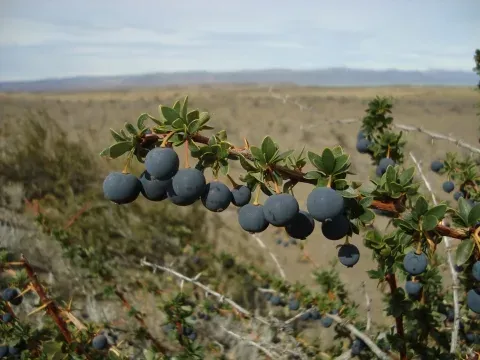
Berberis heterophylla
Berberis heterophylla
Propagation of Berberis heterophylla is primarily achieved through seeds or vegetative methods such as cuttings. Sowing seeds in open ground is typically done before winter, which provides natural stratification and ensures higher germination rates in the spring.
What the section contains
Berberis heterophylla
For vegetative propagation, cuttings are taken during the summer season, utilizing semi-hardwood shoots of the current year. June is considered the optimal time for taking cuttings, as the plant is in an active growth phase.
Transplanting seedlings to their permanent location is mainly performed in the spring before the buds begin to burst. Autumn planting is also possible, provided the regional climate allows the root system to establish before hard frost occurs.
To create dense hedges, these shrubs should be planted with a spacing of at least one meter. In mass plantings, the distance between individuals may be increased to ensure adequate air circulation throughout the canopy.
The planting hole depth must match the root system volume, typically ranging between 40–50 centimeters. It is highly recommended to include a drainage layer at the bottom of the hole to prevent root rot caused by moisture stagnation.
Berberis heterophylla belongs to the Berberidaceae family and is native to South America, specifically the Patagonia region. This plant is highly adapted to harsh, wind-swept environments and exhibits exceptional hardiness.
The species prefers well-lit sites with direct sunlight exposure. Insufficient light leads to stretched shoots, reduced foliage density, and a significant decrease in the intensity of flowering, which are critical for its ornamental value.
Soil requirements are moderate, though the shrub performs best in light, well-drained loam or sandy substrates. The plant is extremely sensitive to waterlogging and poor soil drainage conditions.
The shrub is characterized by marked drought tolerance and the ability to withstand significant temperature fluctuations. Its specific morphology allows it to thrive in the high-wind conditions typical of its natural habitat.
In terms of agronomic maintenance, the plant requires periodic sanitary pruning to remove dry or damaged branches. Regular formative pruning helps maintain a compact crown shape and encourages the growth of new, healthy shoots.
Berberis heterophylla can be susceptible to powdery mildew, which appears as a whitish coating on the leaf surfaces. Control measures involve the use of sulfur-based fungicides or systemic chemical treatments.
Under conditions of high humidity, the plant may be vulnerable to fungal infections that cause leaf spotting. Preventive spring treatments are effective in minimizing the risk of pathogen development within the shrubbery.
Among pests, the barberry aphid poses the greatest threat to the crop. These parasites feed on the sap of young shoots, causing deformation and leaf curling, which significantly impairs the overall vitality of the plant.
Caterpillars of various insects are also frequently found feeding on the foliage. In cases of high infestation levels, the application of biological or synthetic insecticides is strongly recommended to protect the plant.
A crucial element of plant protection is maintaining clean root zones and the regular removal of weeds. Proper agronomic practices and avoiding overly dense planting are the most effective defenses against common diseases and infestations.