
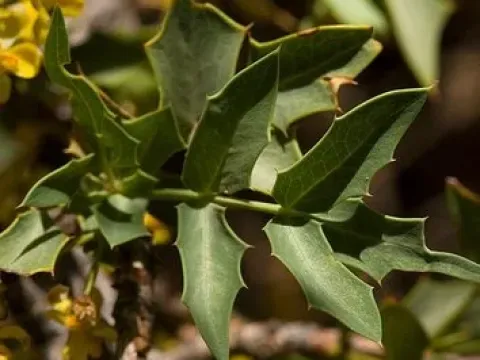
Berberis gilgiana
Berberis gilgiana
Berberis gilgiana is a deciduous shrub belonging to the Berberidaceae family, native to the mountainous regions of China. This plant is valued in horticulture for its architectural form and botanical resilience in various landscape settings.
What the section contains
Berberis gilgiana
The shrub thrives in sunny locations but can tolerate partial shade if necessary. Successful cultivation requires well-drained, fertile soil, as the roots are sensitive to waterlogging, which can easily lead to root rot during the dormant season.
It displays moderate cold hardiness, adapting well to temperate climates. During severe winter frosts, it is advisable to apply mulch around the base and potentially use protective coverings for younger, less established specimens.
Agricultural management involves regular weeding and maintenance of soil structure through light tilling. Proper pruning during late winter or early spring promotes dense growth, making it an excellent candidate for formal hedging.
The primary use of Berberis gilgiana is ornamental, providing year-round interest through foliage and fruit. Additionally, its robust root system contributes to soil stability, making it useful for erosion control on slopes.
Fungal diseases, specifically powdery mildew and rust, represent the most common biological threats to this species. These conditions are typically exacerbated by poor air circulation and excessive humidity levels in the planting zone.
Preventative measures include removing dead or diseased branches to maintain airflow through the crown. Application of copper-based fungicides is recommended if signs of infection appear on the foliage or stems.
Barberry aphids are the most persistent insect pests, causing leaf curling and stunted shoot development. Infestations weaken the shrub, making it more susceptible to environmental stress and secondary infections.
Leafrollers may also cause damage by folding and webbing leaves, which affects the plant's ability to photosynthesize effectively. Early intervention is essential to prevent significant aesthetic and structural damage to the shrub.
Integrated pest management strategies, including the use of horticultural oils and systemic insecticides, provide the most effective control. Maintaining plant vigor through proper fertilization is key to resisting recurring pest outbreaks.