
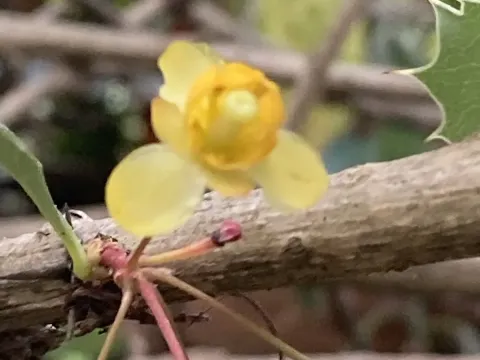
Himalayan Barberry
Berberis asiatica
The Himalayan Barberry is primarily propagated through seeds or vegetatively by using cuttings. Sowing seeds outdoors in late autumn allows for natural stratification, which is essential for high germination rates in the spring.
What the section contains
Himalayan Barberry
For spring sowing, seeds require prior stratification in a cold environment at temperatures between 0 and 5 degrees Celsius for 3 to 4 months. The prepared seed material is sown 1-2 cm deep into a light, nutrient-rich substrate.
Cuttings are prepared during the summer season using semi-hardwood shoots of the current year. Successful rooting requires a greenhouse environment with high humidity levels and a temperature range of 20-25 degrees Celsius.
Young plants are moved to their permanent location at the age of 2-3 years. The ideal time for transplantation is early spring, before the start of sap flow, or in the autumn, at least one month before the ground freezes.
Planting density depends on the purpose of cultivation; when used for hedges, a spacing of 0.5 to 1 meter is maintained, while for commercial berry harvesting, the spacing is increased to 2 meters between plants.
Berberis asiatica is a deciduous, thorny shrub belonging to the Berberidaceae family. Native to the Himalayan region and mountainous areas of Asia, it has evolved to thrive in diverse and rugged mountainous soil conditions.
This species prefers well-lit areas, as shade reduces leaf color intensity and significantly lowers fruit yields. It is a light-loving plant that can tolerate only partial shade for short periods throughout the day.
The barberry is not demanding regarding soil quality, but it develops best in well-drained loamy soils. Waterlogging around the root system must be avoided at all costs, as it promotes fungal pathogens and root decay.
While possessing moderate cold resistance, young Himalayan Barberry plants benefit from winter mulch around the root zone in harsh climates. Established shrubs are generally resilient to short-term temperature drops.
Routine maintenance involves consistent weeding, loosening the soil around the base, and performing annual sanitary pruning in the spring to remove any damaged, frost-bitten, or dead branches to encourage growth.
Fruiting typically begins 3-4 years after planting. The crop consists of dark blue to black berries covered in a waxy bloom, which ripen toward the end of summer or the beginning of the autumn season.
The flavor profile of Himalayan Barberry fruits is distinctively tart, owing to their high content of organic acids. These berries are highly valued as a base ingredient in confectionery and the pharmaceutical industry.
Total yields depend heavily on proper agricultural care and water availability during the flowering and fruit-setting stages. Supplemental irrigation during dry summers is critical to maximizing berry size and volume.
Beyond the berries, the plant serves as a vital source of medicinal material, including the bark and roots which contain high concentrations of berberine. Harvesting of these parts must be done carefully to sustain the population.
Commercial processing of the fruit includes drying, the production of extracts, jams, and traditional spice blends, often used in Eastern culinary traditions to provide a natural acidic tang to various dishes.
The primary concern for this crop is leaf rust, caused by fungal spores. This infection appears as orange spots on the undersides of leaves and can lead to severe premature defoliation if left untreated.
Powdery mildew is another frequent issue, characterized by a white, floury coating on young leaves and shoots. Modern systemic fungicides are recommended for controlling the spread of this fungus in plantation settings.
Insect pests, such as barberry aphids and flower moths, can cause significant damage. Aphids, in particular, drain sap from developing shoots, causing deformation and reducing the overall vigor of the shrub.
Proactive management involves applying early spring insecticides before bud break. Natural methods, such as spraying with soapy water or wood ash solutions, are often sufficient for minor infestations in smaller gardens.
In cases of severe outbreaks, a comprehensive chemical control plan must be followed, strictly adhering to pre-harvest intervals to ensure the safety of the berries if they are intended for human consumption.
Harvesting of Himalayan Barberry berries is performed manually once the fruit reaches full biological maturity, indicated by its characteristic dark color and soft texture upon gentle touch.
Great care must be taken to prevent bruising during the harvest process. The thin skin of the berries is easily compromised, which leads to rapid decay during the transport and storage phases.
Once picked, the berries should be cleaned of debris and stems. Fresh fruit has a limited shelf life and must be promptly sent for processing or drying to maintain the highest quality of the final product.
Drying is achieved in specialized dehydrators at temperatures not exceeding 50-60 degrees Celsius, or in well-ventilated, shaded areas protected from direct sunlight to preserve the integrity of the compounds.
Properly dried berries retain their nutritional and medicinal properties for 1-2 years, provided they are stored in airtight containers in a cool, dark, and dry environment.