
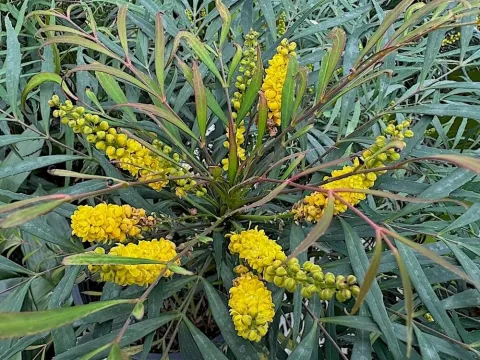
Berberis ganpinensis
Berberis ganpinensis
Berberis ganpinensis is an evergreen or semi-evergreen shrub belonging to the Berberidaceae family. Originating from the mountainous forest regions of China, it is well-adapted to cool, humid environments and naturally grows in sheltered spots, often as part of the forest understory.
What the section contains
Berberis ganpinensis
The plant thrives in well-drained, fertile soil with a slightly acidic to neutral pH. It is sensitive to waterlogging, so ensuring adequate soil drainage is the most critical factor for successful cultivation. It does not tolerate stagnant moisture, which can quickly lead to root rot.
Climatically, Berberis ganpinensis prefers locations with partial shade, especially in warmer regions. While it can handle some exposure, strong, direct afternoon sun may scorch its foliage. It is generally hardy but benefits from protection against harsh winter winds and heavy frost.
Agronomic practices for this shrub involve regular monitoring of moisture levels, particularly during the first growing seasons. Mulching with organic material, such as bark or peat, helps retain soil moisture, suppress weeds, and regulate soil temperature during summer and winter months.
In terms of usage, Berberis ganpinensis is prized primarily for its aesthetic appeal in landscape architecture. It serves as an excellent candidate for ornamental hedges, mass planting in woodland settings, or as an attractive structural shrub in large-scale park designs.
The primary threats to Berberis ganpinensis include fungal diseases such as powdery mildew and rust, which often occur when air circulation is poor and humidity levels are excessively high. These pathogens can significantly diminish the shrub's ornamental value.
Pest pressure from aphids and barberry sawflies can also affect the plant's health. These insects feed on the tender new growth, causing leaf curling and stunted development, which stresses the plant and makes it more vulnerable to secondary infections.
Preventive maintenance is essential, focusing on strategic pruning to thin the crown and improve airflow. Regular removal of dead or crossing branches reduces the sites where fungal spores can colonize and overwinter.
When infestation or infection levels exceed threshold limits, chemical control measures using systemic fungicides or appropriate insecticides should be implemented. Always apply treatments during calm weather to ensure full coverage and safety.
Maintaining high plant vigor through balanced fertilization and proper site selection is the best long-term defense. A well-nourished and correctly placed Berberis ganpinensis shrub will naturally resist most local pests and diseases more effectively.