
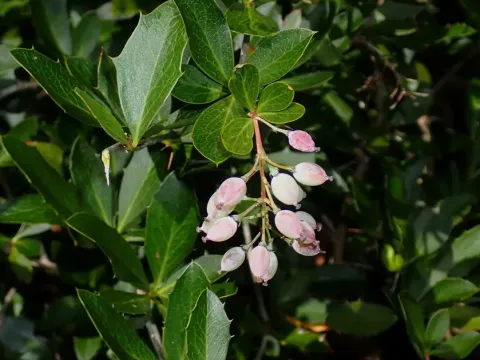
Berberis floribunda
Berberis floribunda
Propagating Berberis floribunda is typically achieved through seeds or stem cuttings. Seeds require a mandatory stratification period of 3 to 4 months at temperatures between +2 and +5 degrees Celsius to break dormancy and ensure uniform germination.
What the section contains
Berberis floribunda
For best results, seeds should be sown in the open ground during the autumn season. This allows the seeds to undergo natural stratification throughout the winter, leading to better emergence in the following spring.
Vegetative propagation involves taking semi-hardwood cuttings during mid-summer. Treating the cut ends with rooting hormones significantly improves the success rate of the cuttings when placed in a nursery frame.
Young plants should be transplanted to their final location either early in the spring before sap flow begins or in early autumn, allowing the root system to establish before extreme temperatures arrive.
Planting density depends on the intended use; for dense hedging, a spacing of 0.5 to 1 meter is recommended, while ornamental specimens should be spaced at least 1.5 to 2 meters apart.
Berberis floribunda belongs to the Berberidaceae family. It is a perennial shrub that thrives in sunny, well-lit locations; shade conditions can lead to sparse foliage and a noticeable reduction in the number of blossoms.
The plant is not overly demanding regarding soil type, but it performs best in light, well-drained loamy soils. It cannot tolerate waterlogged conditions, so adequate drainage is essential in heavier clay soils.
The optimal pH range for this species is between 6.0 and 7.5. Providing a balanced soil environment helps the shrub develop strong root systems and resilient branches during its growth phases.
It is a cold-hardy species that adapts well to temperate climate zones. Once established, the shrub is notably drought-tolerant, requiring minimal irrigation except during exceptionally long dry spells.
Regular maintenance involves keeping the base of the plant free of weeds and applying seasonal mulching to retain moisture and improve soil structure for a more vigorous growth habit.
The economic value of Berberis floribunda lies in both its culinary and medicinal properties. Its fruits are rich in organic acids, vitamins, and minerals, making them popular for creating syrups, jams, and herbal preparations.
In landscaping, this species is highly valued for its ability to withstand pruning, which allows for the creation of intricate shapes, formal hedges, and decorative borders that maintain their appearance throughout the season.
The shrub acts as a valuable early-season honey plant, providing nectar and pollen for pollinators when many other plants have not yet entered their blooming stage.
Medicinal extracts derived from various parts of the plant are studied for their potential health benefits, reflecting the plant's traditional use in phytotherapy across its native distribution range.
The timber of the barberry plant is also occasionally used in specialty woodcrafts, where its unique, dense, and yellow-colored wood is prized for small decorative carvings and hand-made items.
Powdery mildew is a common fungal threat to Berberis floribunda, especially in humid or poorly ventilated areas. Keeping the canopy open through regular pruning is the best preventative strategy against this infection.
Rust diseases can also manifest as orange or reddish spots on the leaves. Managing this issue involves removing infected plant parts and applying copper-based fungicides if the infestation becomes significant.
Barberry aphids are the most frequent insect pests. These small insects feed on young shoots, which can lead to leaf curling and stunted growth; systemic insecticides are effective for control when populations are high.
Defoliating larvae may also damage the plant's aesthetic appeal during the active growing season. Regular monitoring and the application of environmentally friendly biological controls are recommended.
Overall, maintaining the plant's health through adequate airflow and nutrient management significantly reduces the vulnerability to various pests and diseases throughout the lifespan of the shrub.