
Diels barberry
Berberis dielsiana
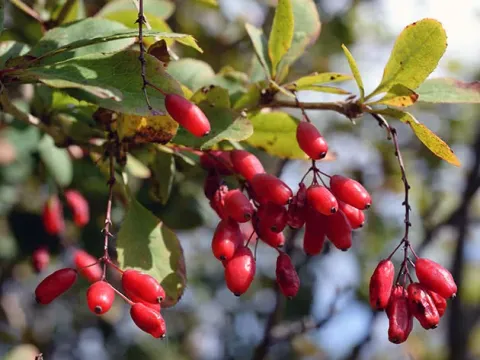
Diels barberry (Berberis dielsiana) is a deciduous shrub belonging to the Berberidaceae family, originating from China. Known for its aesthetic value, this shrub is highly regarded in horticulture for its vibrant autumn foliage and clusters of bright red fruits that persist on the branches.
What the section contains
Diels barberry
It thrives in well-drained, fertile soil, though it is quite adaptable to various soil types including sandy and rocky substrates. The plant exhibits high tolerance to drought once established, making it a sustainable choice for low-maintenance landscapes and xeriscaping.
This species prefers full sun to light shade, which is crucial for maintaining the plant's structural integrity and intense coloration. It is fully hardy in temperate climates, capable of withstanding significant winter cold without additional protection.
Cultural practices include occasional pruning to maintain a tidy habit and to remove old, woody stems that no longer bear fruit. The plant responds well to organic fertilization applied during the early spring growth flush.
When planting, it is recommended to provide adequate spacing to prevent overcrowding, which can hinder airflow. Propagation is primarily achieved through seeds or semi-hardwood cuttings taken in mid-summer.
Pests such as aphids are common invaders of young shoots during the growing season. Early intervention with insecticidal soaps or neem oil is usually sufficient to control infestations before they cause significant damage.
Fungal issues like powdery mildew often arise in conditions with high humidity and stagnant air. Ensuring the shrub is planted in an area with good air circulation is the primary cultural control method.
Rust diseases can occur, particularly if the plant is situated near susceptible agricultural crops, as some barberry species act as alternate hosts. Monitoring the undersides of leaves for characteristic spots is vital for early detection.
Sanitary pruning of infected branches is a mandatory step to prevent the systemic spread of pathogens. Keeping the area under the canopy free from leaf litter helps reduce the inoculum levels for various fungal diseases.
Overall, Diels barberry is a resilient plant that rarely succumbs to pests when given optimal growing conditions. Periodic monitoring and maintenance ensure the longevity and health of the specimen in any garden setting.