
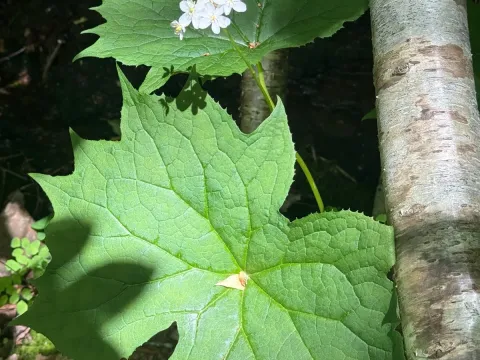
Diphylleia
Diphylleia
Diphylleia is a genus of perennial herbaceous plants belonging to the Berberidaceae family. The genus is native to the woodland regions of Japan, China, and the Appalachian mountains in North America, thriving in high-humidity habitats.
What the section contains


Diphylleia
For successful cultivation, Diphylleia requires shady or semi-shady environments. Direct sunlight is detrimental to the leaves, which can lose their vigor and develop necrotic spots if exposed to intense solar radiation for prolonged periods.
The ideal growing medium is moist, humus-rich soil with excellent drainage capabilities. The plant performs best in slightly acidic soils that mimic the natural leaf litter floor of temperate deciduous forests.
Regarding climate, the plant is hardy and adapted to cold winters, requiring a period of dormancy. During the growing season, consistent moisture is essential, though standing water must be avoided to prevent root damage.
The plant is world-renowned for its botanical phenomenon known as petal skeletonization. Upon exposure to rain, the white flowers lose their pigment and turn transparent, appearing as if they are made of glass, only to regain their opacity upon drying.
The primary threats to Diphylleia health are soil-borne pathogens and root rot. These issues are most frequent in poorly drained substrates where waterlogging occurs during the rainy season or in poorly ventilated conditions.
Slugs and snails are the most significant vertebrate pests, often causing severe foliage damage in spring. Gardeners should implement protective measures, such as copper barriers or eco-friendly baits, to preserve the structural integrity of the leaves.
Fungal infections, such as leaf spot diseases, may appear during humid summers with poor air circulation. Removing affected foliage and applying appropriate fungicides can help maintain the plant's aesthetic value throughout the season.
Insects such as aphids may occasionally infest new shoots, though they rarely reach population levels that would threaten the life of the plant. Monitoring and manual removal or gentle soap-based sprays are usually sufficient.
Improper winter storage, especially in pots, can lead to freezing damage if the substrate is excessively wet. Providing a stable, cool environment with minimal temperature fluctuations is crucial for the survival of the rhizomes during the winter dormancy period.