
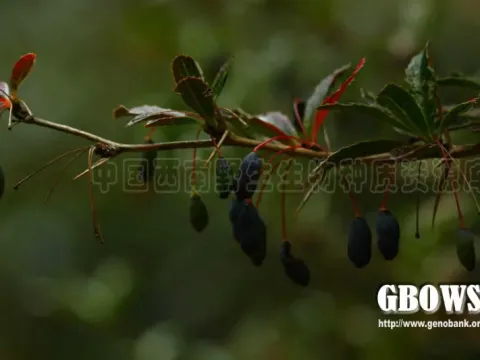
David's Barberry
Berberis davidii
David's Barberry (Latin: Berberis davidii) is a distinctive evergreen shrub belonging to the family Berberidaceae. Native to the mountainous regions of China, this species is named after the French missionary and naturalist Armand David, who played a significant role in documenting Asian flora.
What the section contains
David's Barberry
Botanically, this shrub is characterized by its stiff, spiny evergreen leaves and its habit of forming dense, structured mounds. It is highly valued in horticulture for its year-round visual appeal and its ability to act as a functional barrier in garden design due to its protective thorns.
The cultural requirements for this species include well-drained, moderately fertile soil with a neutral or slightly acidic pH balance. While it is adaptable to various soil types, providing an organic mulch layer helps maintain consistent soil moisture and suppresses competing weed growth.
Regarding climate, David's Barberry thrives best in environments that mimic its natural habitat: cool to temperate zones with sufficient sunlight for dense foliage development. However, it displays a level of tolerance to partial shade, which can prevent leaf scorch in extremely hot summer climates.
Essential maintenance practices include annual pruning performed after the flowering season to encourage thicker growth and rejuvenate the plant. The application of a balanced slow-release fertilizer in early spring supports healthy shoot development and maintains the plant's natural vigor.
The primary pathological threats to David's Barberry include powdery mildew and rust, which are often exacerbated by poor air circulation and excessive humidity. Management strategies focus on pruning for airflow and applying sulfur-based fungicides when environmental conditions favor fungal spread.
Common pests associated with this species include aphids and scale insects, which target the soft tissues of new growth. Monitoring for early signs of infestation and utilizing integrated pest management, such as the introduction of beneficial insects or targeted sprays, ensures the plant remains healthy.