
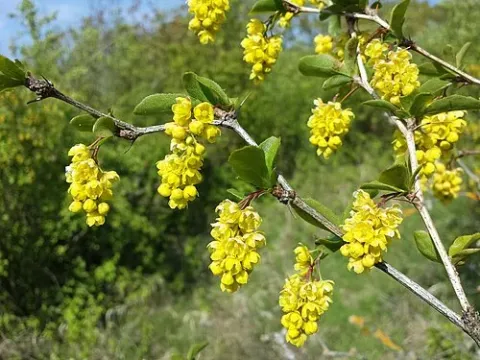
Berberis virgetorum
Berberis virgetorum
Berberis virgetorum is a member of the Berberidaceae family. This ornamental shrub is native to East Asia, where it thrives in diverse habitats known for its specific branching pattern and decorative foliage.
What the section contains
Berberis virgetorum
The plant requires full sun to partial shade for optimal health. It is highly adaptable to various soil types but performs best in well-drained, fertile soil that maintains consistent moisture levels without becoming waterlogged.
Climate requirements include a moderate temperate zone environment. While established plants are relatively hardy, young specimens benefit from shelter against harsh winter winds and heavy frost to ensure successful development.
Cultivation practices include annual pruning to maintain a desirable shape and encourage bushier growth. It responds well to balanced seasonal fertilizers applied in the spring to support the development of vigorous new stems.
Economically, its primary value is ornamental. It is widely used in landscape architecture for creating privacy screens, hedgerows, and structural borders, adding aesthetic appeal to gardens and public park spaces.
Common fungal diseases that affect this species include powdery mildew and leaf rust. To manage these issues, it is essential to provide adequate air circulation and apply fungicide treatments if symptoms appear.
Pests such as barberry aphids can infest the undersides of leaves, causing curling and stunted growth. Integrated pest management, including regular monitoring and the use of insecticidal soap, is recommended for effective control.