
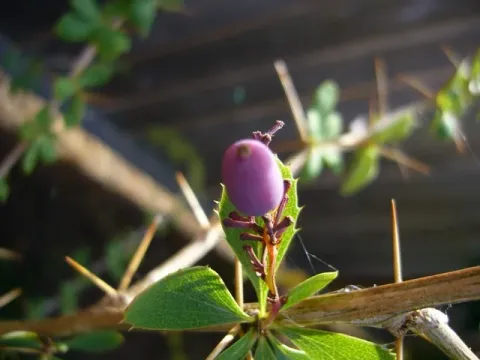
Gyalaica barberry
Berberis gyalaica
Propagation of Berberis gyalaica is primarily performed through cuttings or division of established shrubs. Seed propagation is possible but requires a long stratification period to break dormancy.
What the section contains
Gyalaica barberry
The best time for planting nursery-grown shrubs is in early spring before active bud break. This timing allows the root system to establish itself before the heat of the summer months.
When seeding outdoors, ensure a planting depth of approximately 1-2 cm. The soil must be loose and well-aerated to prevent seed rot during the damp spring conditions.
Spacing is critical for the long-term health of the plant. A distance of at least 1.5–2 meters between shrubs ensures proper air circulation and prevents overcrowding as the plant reaches maturity.
Initial establishment requires consistent moisture and protection from harsh midday sunlight. Adding a layer of organic mulch helps retain soil moisture and stabilizes temperature fluctuations.
As a member of the Berberidaceae family, the Gyalaica barberry is adapted to mountain conditions. It thrives in sunny locations but benefits from light shade during the hottest part of the day.
The species requires fertile, well-draining soil with a neutral to slightly acidic pH. Avoiding waterlogged areas is essential to prevent root diseases and ensure vigorous growth throughout the season.
While relatively hardy, the plant benefits from winter protection in colder climates. Mulching the base of the shrub is a recommended practice to insulate the root system from frost.
Regular but moderate irrigation is sufficient for established plants. Drought tolerance is a key characteristic of this species, making it an excellent choice for low-maintenance landscapes.
Fertilization should be balanced. Organic amendments in the spring provide necessary nutrients, while phosphorus-heavy fertilizers in late summer help the plant prepare for winter dormancy.
Powdery mildew is a frequent concern for Berberis gyalaica, appearing as a white fungal mat on the foliage. Proper ventilation is the primary cultural control for this issue.
Rust diseases pose a significant risk, particularly in high-humidity environments. Preventive fungicide sprays applied in early spring can significantly reduce the risk of infection.
Aphids are the most common insect pests, clustering on young shoots and buds. Monitoring for these pests in late spring allows for early intervention with mild soaps or biological agents.
The barberry moth can cause localized damage to leaves. If left unchecked, larval feeding can weaken the plant, making it more susceptible to environmental stress.
To minimize disease pressure, always ensure that pruning tools are sanitized. Furthermore, removing fallen leaves in autumn helps break the lifecycle of many pathogens and pests.