
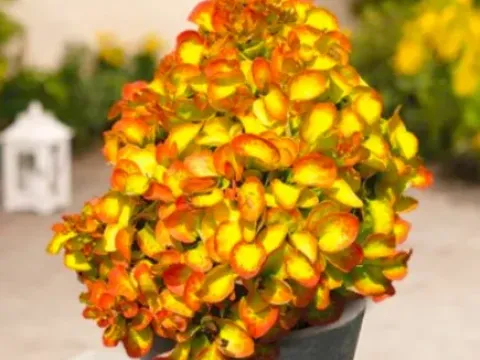
Anna barberry
Berberis anniae
Anna barberry (Berberis anniae) is a perennial shrub belonging to the Berberidaceae family. This species is recognized for its unique botanical structure and aesthetic appeal, making it a valuable addition to various horticultural settings.
What the section contains
Anna barberry
The plant thrives in well-drained soils with a slightly acidic to neutral pH level. It prefers sunny locations for optimal growth and leaf coloration, although it is adaptable enough to tolerate partial shade throughout the growing season.
Climate requirements involve sufficient water availability during the spring and summer. While established plants are somewhat hardy, providing consistent moisture during dry periods is essential to maintain plant vigor and foliage quality.
Agrotechnical practices include regular soil aeration around the root zone and the application of organic mulch. Mulching helps regulate soil temperature and moisture levels, which is particularly beneficial for younger shrubs during their establishment phase.
The primary use of Berberis anniae is ornamental, utilized extensively in landscaping for borders, hedge formations, and decorative garden layouts. Its structural stability and compact growth pattern make it a preferred choice for urban greening projects.
The most significant fungal threats to this shrub include powdery mildew and rust. These diseases are more prevalent in environments with poor air circulation, high humidity, or when foliage remains wet for extended periods.
Insect pests such as barberry aphids and various scale insects pose a moderate threat. These pests target the new growth, potentially causing foliage distortion and reducing the overall health of the plant if left untreated.
Management strategies involve the application of preventative fungicides during periods of high humidity. Pruning to improve internal airflow is a critical cultural practice to mitigate the spread of fungal infections within the canopy.
Pest control is achieved through the timely use of horticultural oils or systemic insecticides when infestation levels exceed economic or aesthetic thresholds. Manual removal of heavily infested branches can also limit pest populations.
Maintaining a healthy, well-nourished plant is the best defense against threats. Regular monitoring and early intervention are essential for preserving the plant's health and visual character over many years.