
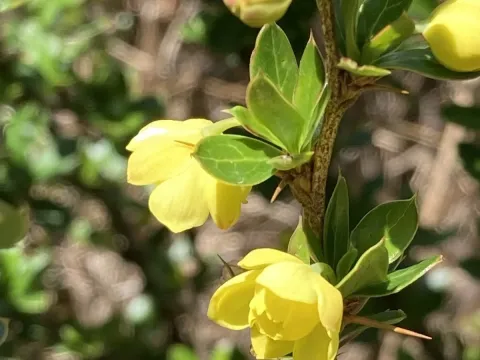
Berberis angulosa
Berberis angulosa
Propagation of Berberis angulosa is typically achieved through seeds or vegetative cuttings, both of which require specific preparation for successful establishment.
What the section contains
Berberis angulosa
Seeds require cold stratification for approximately 3 to 4 months to break dormancy and ensure high germination rates during the following spring season.
Sowing should ideally occur in late autumn directly into the soil, allowing nature to provide the necessary temperature fluctuations throughout the winter period.
For vegetative propagation, semi-hardwood cuttings should be collected in mid-summer, treated with rooting hormones, and kept in a high-humidity environment.
When transplanting nursery-grown shrubs, choose early spring before the buds break or late autumn, ensuring the root ball is kept intact for faster adaptation.
Berberis angulosa, belonging to the Berberidaceae family, is a deciduous shrub native to the Himalayan regions, known for its distinct angular branches.
This species thrives in full sun, which is essential for maintaining the vibrant foliage color and promoting abundant flowering throughout the season.
It adapts to various soil types but prefers well-drained, fertile substrates. Poor drainage is the primary cause of root issues and must be avoided.
Although the plant is quite hardy, providing a layer of mulch around the base helps retain soil moisture during the hot and dry summer months.
Regular pruning is required to maintain the desired shape and size, as well as to remove dead or diseased wood, which improves overall plant vigor.
The plant is susceptible to common shrub pests, including barberry aphids, which primarily attack the tender young shoots during the spring growth flush.
Fungal infections such as powdery mildew and rust are the most frequent health issues, often triggered by high humidity or poor air circulation in the crown.
Effective management involves monitoring foliage regularly and applying insecticidal soaps or systemic treatments as soon as early signs of infestation appear.
To prevent fungal outbreaks, ensure adequate spacing between plants and perform regular thinning of the branches to facilitate proper airflow and sunlight penetration.
In cases of severe infection, remove and destroy the affected parts immediately to stop the spread of spores to healthy branches and neighboring plants.
The fruits of Berberis angulosa are ornamental, typically ripening into bright red berries that persist well into the winter months if not harvested.
Hand-harvesting is necessary when berries reach peak maturity, characterized by a soft texture and a balanced, slightly tart and acidic flavor profile.
These berries are highly valued for culinary uses, including the production of preserves, jellies, and as a tart flavor addition to dried spice blends.
Care must be taken during the harvesting process as the shrub possesses sharp, defensive thorns that can make manual collection difficult without protection.
Post-harvest, the berries should be processed or dried promptly to preserve their vitamin content and ensure long-term shelf life for culinary applications.