
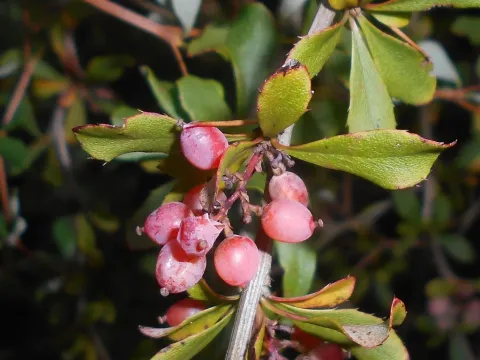
Aggregate barberry
Berberis aggregata
Propagation of Berberis aggregata is primarily achieved through seeds which require cold stratification for at least three months. Sowing is best performed in late autumn, allowing the seeds to undergo natural winter conditions before spring germination.
What the section contains
Aggregate barberry
For optimal results, seeds should be placed in well-drained, light soil mixtures. Covering the seeds with a thin layer of sand or soil helps maintain the necessary moisture levels during the critical stages of early development.
Vegetative propagation via softwood cuttings taken in early summer is a popular alternative. These cuttings should be treated with rooting hormones and kept in a high-humidity environment until a robust root system is formed.
When transplanting young barberry plants, ensure that the root ball remains intact. This minimizes transplant shock and encourages faster establishment in the permanent garden location.
Proper spacing is essential to ensure that individual plants receive adequate sunlight and airflow. Crowded planting can increase humidity levels, making the shrubs more susceptible to various leaf and stem diseases.
As a member of the Berberidaceae family, Berberis aggregata thrives in sunny environments. Exposure to direct sunlight is crucial for the plant to achieve its signature leaf color and abundant fruit set.
The shrub is highly adaptable to various soil types, ranging from sandy loams to heavier clays, provided that drainage is sufficient. It prefers neutral to slightly alkaline pH levels for optimal nutrient uptake.
The species is renowned for its cold hardiness, making it an excellent choice for northern landscapes. While drought-tolerant once established, it benefits from moderate watering during the heat of the summer to maintain vigorous growth.
Pruning is a fundamental part of maintaining the health and aesthetics of the aggregate barberry. Removing dead or crossing branches in early spring keeps the plant vibrant and promotes dense, bushy growth.
Fertilization should be applied at the beginning of the growing season. A balanced, slow-release fertilizer provides the necessary nutrients for sustained development throughout the year, ensuring both foliage and berry production.
Powdery mildew is the most significant disease affecting this shrub, appearing as a white, dusty film on foliage. Improving air circulation through thinning cuts is the most effective cultural method to prevent outbreaks.
The barberry aphid is a frequent pest that targets young, tender leaves. Regular scouting is recommended, and the application of insecticidal soaps can quickly manage minor infestations before they spread.
Leaf spot diseases, caused by various fungal pathogens, may occur during wet, humid seasons. Removing infected plant debris and applying preventive copper-based sprays helps manage these issues effectively.
Root system pests, such as grubs, can cause unexpected decline in plant vigor. Incorporating preventive soil treatments during the planting phase is a recommended practice to avoid long-term damage to the roots.
Maintaining high standards of garden hygiene, including the removal of fallen leaves in autumn, significantly reduces the overwintering potential for many pests and pathogens that threaten the shrub.