
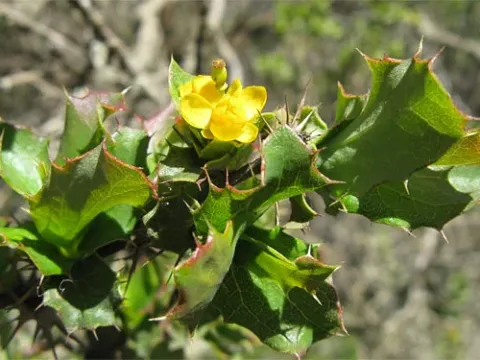
Berberis aemulans
Berberis aemulans
Berberis aemulans is a deciduous shrub species classified within the Berberidaceae family. It is recognized for its structural elegance and resilience in various temperate climate conditions.
What the section contains
Berberis aemulans
The native habitat of this species is located in China, where it primarily inhabits mountain slopes and rocky terrains. This geographic origin indicates a natural preference for well-drained soils and high environmental adaptability.
To ensure healthy development, this culture requires soil with a neutral to slightly acidic pH level and excellent aeration. It performs best when exposed to direct sunlight, which enhances the color intensity of its foliage.
Agricultural management includes balanced fertilization and periodic pruning to maintain the desired shrub architecture and promote vigorous seasonal growth.
This shrub demonstrates significant tolerance to drought once established, though supplemental watering during extreme heatwaves will significantly improve the vitality of the plant and its decorative appeal.
The primary biotic threats for Berberis aemulans include aphid infestations, which tend to cluster on young shoots and buds, draining vital nutrients from the plant.
Pathogenic fungi, such as powdery mildew, represent a constant risk in humid climates with poor air circulation. These infections can drastically reduce the ornamental value of the foliage.
Rust fungi are also a potential threat, requiring careful site selection away from susceptible host plants to prevent the spread of fungal spores during the growing season.
Effective pest and disease control strategies involve the use of targeted systemic insecticides and fungicides, applied during the initial stages of infection to minimize environmental impact.
Implementing regular sanitation practices, including the removal and destruction of fallen leaves and infected branches, is crucial for maintaining a healthy plantation environment.