
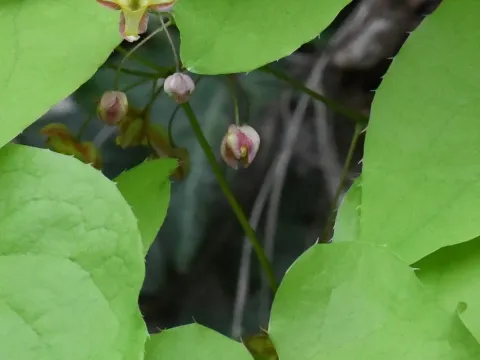
Alpine barrenwort
Epimedium alpinum
Alpine barrenwort (Epimedium alpinum) is a perennial herbaceous plant belonging to the Berberidaceae family. It is native to the mountainous regions of Southern and Central Europe, where it thrives in shaded and wooded habitats.
What the section contains
Alpine barrenwort
The plant is characterized by its rhizomatous root system, which allows it to form dense, creeping colonies. Its foliage is often evergreen or semi-evergreen, providing visual interest throughout various seasons, while delicate flowers bloom in early spring.
For successful cultivation, the plant requires cool, shady environments with well-drained, humus-rich soil. It is particularly valued for its ability to grow in dry shade under mature trees where many other plants fail to thrive.
Agricultural management is relatively simple, requiring minimal intervention. Adequate moisture during the first year of establishment is crucial, after which the plant becomes quite resilient and can tolerate occasional dry spells.
In landscaping, this species is widely used as a groundcover in woodland gardens, rockeries, and border edges. It provides a sophisticated look and effectively suppresses weed competition when established in sufficient density.
While Epimedium alpinum is generally robust, it may face challenges with fungal infections if planted in poorly drained soil. Root rot is a significant risk when moisture levels are consistently too high and air circulation is insufficient.
Pests such as slugs and snails can cause cosmetic damage to the leaves, especially in early spring when the new, tender shoots emerge. Monitoring and preventative measures are essential to keep the foliage intact.
Management of these threats involves cultural practices like mulching with well-rotted organic matter and ensuring that the planting site is not overcrowded. Proper spacing between individual plants encourages airflow, which is a natural defense against fungi.
If fungal disease is observed, immediate removal and disposal of infected plant parts are necessary. Applying copper-based fungicides can help suppress outbreaks if weather conditions remain persistently damp and humid.
Although it is a low-maintenance plant, occasional inspections are recommended to ensure early detection of any stressors. With the right site selection and minimal attention, this species offers exceptional longevity and beauty in garden settings.