
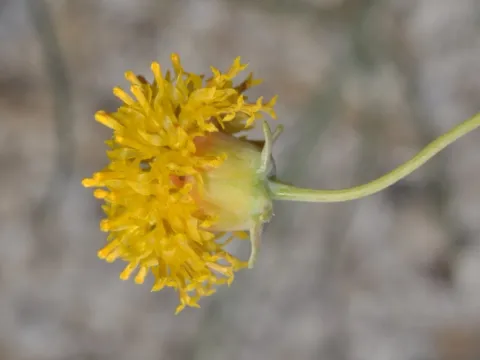
Thelesperma
Thelesperma
Sowing of Thelesperma seeds is typically performed in the spring once the soil temperature reaches 12–15°C. The optimal window spans from late April to mid-May, ensuring sufficient soil moisture for successful germination.
What the section contains


Thelesperma
To accelerate germination rates, it is highly recommended to stratify the seeds for 2–3 weeks at cool temperatures. This process simulates natural cycles and significantly improves the emergence percentage of the crop across the fields.
Sowing is carried out in rows with spacing of approximately 30–45 centimeters. Given the small size of Thelesperma seeds, deep planting should be avoided; burying them under 0.5–1 centimeter of light soil or sand is sufficient for healthy development.
In regions with mild climates, late-autumn sowing is possible, allowing for earlier flowering in the following season. It is critical that planting occurs just before the onset of persistent frosts to prevent premature germination.
Plant density must be managed by thinning seedlings once they reach a few centimeters in height. It is recommended to leave no more than 10–15 vigorous plants per linear meter to ensure adequate nutrient access for each specimen.
Thelesperma originates from arid regions of North and South America, making it highly drought-tolerant. The crop thrives in well-drained sandy or loamy soils with a neutral or slightly alkaline pH level.
As a member of the Asteraceae family, the plant prefers open, fully sunlit areas. Excessive shade leads to weak, elongated stems and a significant decline in flower production, which diminishes the quality of the raw material.
The plant is not demanding regarding soil fertility, but on nutrient-poor substrates, moderate application of phosphorus-potassium fertilizers is advised. Excessive nitrogen should be avoided, as it encourages excessive vegetative growth at the expense of flowering.
Optimal temperatures for active growth range from 20°C to 28°C. The plant exhibits high resilience to short-term dry spells due to its deep, branched root system, which effectively extracts water from lower soil profiles.
Waterlogging is lethal to this species; therefore, selecting well-draining sites is paramount. Low-lying areas with high groundwater levels must be avoided, as stagnant moisture quickly causes root rot and the collapse of the plantation.
Yield for Thelesperma in commercial production is measured by the output of dry raw material, which is processed into 'Greenthread' tea. On average, a hectare can produce between 1.5 and 2.5 tons of high-quality dried herbs when best practices are followed.
Peak productivity is usually reached in the second or third year of growth, once the rhizome is fully established and the plant achieves its maximum biomass. Yield is lower during the first year due to the focus on root development.
Key factors influencing total yield include regular weeding and the prompt removal of spent blossoms. This encourages the plant to divert resources toward producing new shoots, thereby increasing overall biomass production.
The harvest should take place during the peak flowering stage, when the concentration of beneficial flavonoids in the aerial parts is at its maximum. This timing ensures the highest content of essential oils and bioactive components.
The implementation of modern drip irrigation can boost marketable yield by 20–30% during drought years. This makes commercial cultivation economically viable even in regions with irregular or insufficient precipitation patterns.
Common diseases affecting Thelesperma include fungal infections such as root rot and powdery mildew. These are often the result of poor management, specifically overwatering or excessive plant density in the field.
Pests that threaten the crop include aphids and various leaf-chewing insects, which target the delicate tips of young shoots. Biological insecticides are recommended during peak infestation periods to control these populations.
Weeds represent a significant threat to Thelesperma, especially during the early growth stages. Due to slow initial growth, the crop can be suppressed by more aggressive weeds, necessitating regular mechanical cultivation and manual weeding.
Disease prevention relies on crop rotation and the use of certified, treated seeds. It is strictly advised against planting Thelesperma on fields where other members of the Asteraceae family have recently been grown.
Upon detecting the first signs of fungal infection, affected plant parts must be removed immediately and the field treated with systemic fungicides. Regular weekly monitoring of the crop's phytosanitary status is essential for maintaining health.
Harvesting Thelesperma is conducted by mowing the aerial parts of the plants at a height of 10–15 centimeters above the soil surface. Using mechanized mowers allows for efficient harvesting across large-scale commercial fields.
The mowed material must be sent immediately to a drying facility, either in well-ventilated rooms or specialized dryers, at temperatures not exceeding 40°C. Prolonged exposure to direct sunlight leads to the loss of essential oils and discoloration of the raw product.
To maintain product quality, consistent airflow during the drying process is critical. The raw material is considered ready for storage when stems become brittle and the moisture content drops below 10–12 percent.
Storage of the dried material should be done in airtight containers or heavy-duty sacks, protected from moisture and direct light. Under these conditions, the product retains its medicinal properties for 18–24 months without significant degradation.
A second harvest wave is possible under favorable weather conditions and sufficient moisture at the end of summer. However, it should be noted that the quality of the secondary harvest may differ in chemical composition compared to the main spring-summer crop.