
Thickened groundsel
Senecio incrassatus
Description
Growing requirements
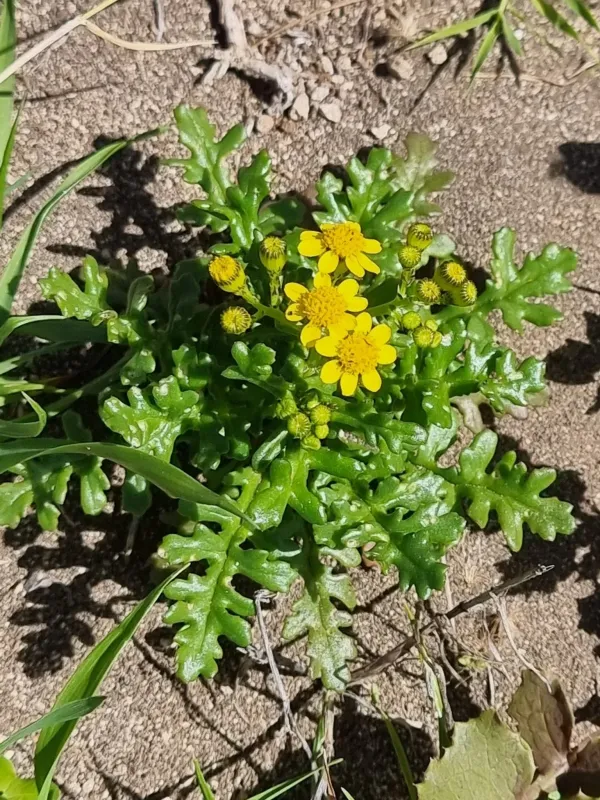
Thickened groundsel (Senecio incrassatus) is a perennial member of the Asteraceae family. This species is characterized by its succulent nature, allowing it to adapt to arid environments by storing water within its fleshy leaves and stems.
In agricultural settings, this plant demands well-draining soil to prevent root rot. It thrives best in sandy or gravelly substrates that mimic its native habitat, providing adequate aeration to the root zone.
The plant requires high light intensity for optimal growth and structural integrity. Inadequate sunlight leads to etiolation, a condition where stems become weak and elongated, reducing the overall vitality of the crop.
Climate management is crucial, as the plant is sensitive to frost and extreme cold. It performs best in regions with consistently warm temperatures, making it suitable for greenhouses or mild climatic zones.
Fertilization must be managed with care. Unlike traditional field crops, this succulent requires low concentrations of nitrogen and higher levels of potassium and phosphorus to maintain healthy tissue development and structural strength.
Main diseases and pests
The primary threats to Senecio incrassatus include fungal pathogens such as Pythium and Rhizoctonia. These thrive in waterlogged conditions and can cause complete destruction of the root system if drainage is not managed.
Pest management is focused on controlling mealybugs and spider mites, which are common in succulents. These pests cluster in crevices and leaf axils, drawing sap from the plant and causing localized tissue death.
Integrated pest management (IPM) practices, including the use of beneficial predatory mites or specific organic soaps, are recommended for controlling pest populations without damaging the plant's succulent surface.
Cultural control remains the most effective strategy. By spacing plants appropriately and ensuring adequate airflow, producers can reduce the humidity levels that encourage fungal growth and pest infestations.
Regular monitoring of plant health, especially during peak growth seasons, allows for early intervention. Prompt removal and destruction of infected material can prevent the spread of pathogens throughout the planting area.