
Thelesperma filifolium
Thelesperma filifolium
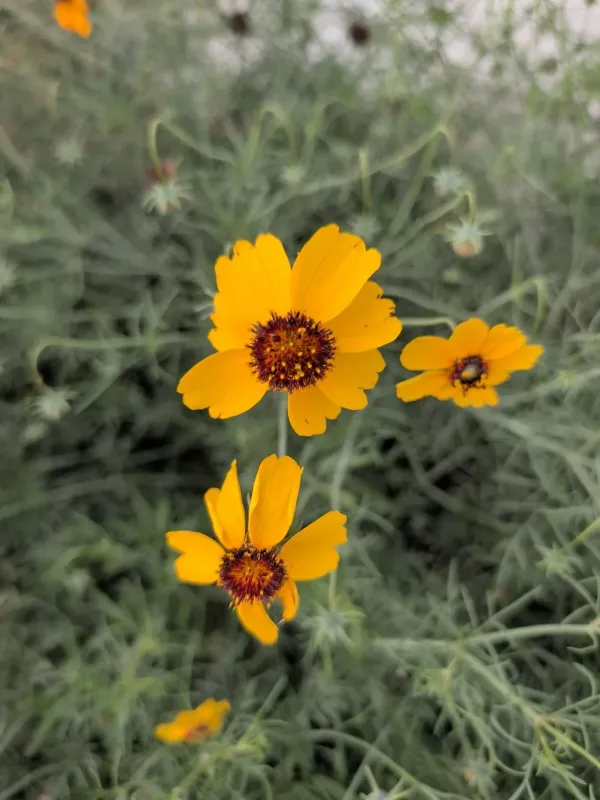
Description
Sowing dates
Sowing Thelesperma filifolium is typically performed in early spring once the soil temperatures have stabilized. The seeds require surface sowing or very light covering as they need exposure to light to initiate germination.
In field production, row planting is recommended with spacings of approximately 30 to 45 centimeters to ensure adequate airflow. Proper spacing is crucial to prevent the development of fungal pathogens in the dense foliage.
Late autumn or dormant seeding is a viable alternative in many climates, allowing the seeds to undergo natural stratification over the winter. This often leads to more vigorous germination as soon as spring temperatures arrive.
Mixing seeds with an inert material like sand or vermiculite is a common agronomic practice to improve distribution uniformity. This simple step prevents overcrowding and reduces the need for subsequent thinning.
Germination typically occurs within two to four weeks under optimal moisture conditions. During this establishment phase, it is vital to maintain consistent soil moisture until the root systems are well-developed.
Growing requirements
Thelesperma filifolium, a member of the Asteraceae family, is native to the prairies of North America. It is a highly resilient herbaceous plant characterized by its adaptation to open, sun-exposed environments.
The crop thrives in well-drained, sandy, or rocky soil types and is exceptionally tolerant of nutrient-poor conditions. It shows excellent resistance to drought, making it suitable for low-input agricultural systems.
Excessive soil moisture and poor drainage are the primary risks to this plant's health. Growers should avoid heavy, compacted soils unless adequate drainage solutions, such as raised beds or sub-soil tiling, are implemented.
The plant prefers a neutral to slightly acidic pH range. Nitrogen-heavy fertilization should be avoided, as it encourages excessive vegetative growth that can weaken the stems and reduce flower production.
This species is highly cold-hardy, adapting well to the temperature extremes of continental climates. It rarely requires special winter protection, as it is biologically synchronized with typical seasonal dormancy cycles.
Main diseases and pests
Thelesperma filifolium is generally robust, but it can be susceptible to root rot if grown in waterlogged conditions. The most significant threat is the accumulation of moisture around the root collar.
Fungal leaf spots can appear during periods of prolonged high humidity and lack of air circulation. Maintaining wide row spacing and ensuring the foliage dries out quickly after rains are effective preventative measures.
Aphids occasionally target the tender growth during the spring season, though damage is usually minor. Monitoring the population levels is recommended, and localized treatment is preferred over broad-spectrum insecticides.
Root-knot nematodes can potentially affect the plant in sandy soils, although this is less common in standard field rotations. Implementing diverse crop rotation cycles helps manage soil-borne pest populations.
Herbivory by deer or small mammals may occur in some regions, but the plant's phytochemical composition often acts as a deterrent. Fencing is rarely required unless the field is located in high-pressure wildlife areas.
Harvesting
Harvesting the seed heads occurs when the flower heads transition from yellow to a dark brown, dry state. It is critical to harvest just before the seeds begin to disperse naturally to maximize yield.
For herbal or industrial extraction, the aerial parts should be harvested during the peak flowering period when essential oil content is highest. Cutting should be performed with sharp tools to avoid damaging the crown.
Post-harvest drying must be conducted in well-ventilated, shaded areas to preserve the integrity of the plant's compounds. High-temperature drying should be avoided to prevent the loss of volatile oils.
Once dried, the plant material can be easily threshed. Seed cleaning is achieved through standard sieving methods to remove chaff, followed by storage in cool, dry conditions to ensure viability for the next season.
Deadheading or periodic mowing can stimulate a second flush of flowers in later summer. This strategy increases the total harvestable biomass per season and improves the overall plant vigor for the following year.