
Tessaria
Tessaria
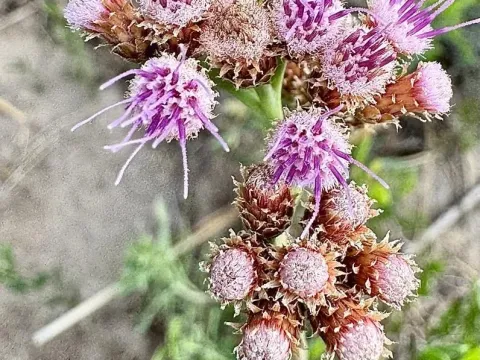
Tessaria is a genus of shrubs or small trees belonging to the Asteraceae family. The most well-known species, Tessaria integrifolia, is native to the floodplains and riverbanks of South America, where it serves as a critical pioneer species.
What the section contains


Tessaria
The plant thrives in alluvial soils, specifically those composed of sand and silt deposits left by river flooding. It is highly adapted to high-moisture environments and requires constant soil hydration to maintain vigorous vegetative growth.
Regarding climate, Tessaria prefers tropical to subtropical conditions. It requires ample sunlight and is not suited for areas with prolonged, severe frost, which can damage the stems and limit its distribution in higher altitudes.
The root system of Tessaria is exceptionally strong, allowing it to stabilize riverbanks and prevent soil erosion. This structural integrity makes it an ideal candidate for soil bioengineering projects in riparian zones.
For optimal growth in managed environments, it is essential to ensure that the soil remains well-drained but consistently moist. pH levels should be monitored to ensure they remain within the slightly acidic to neutral range.
Tessaria is primarily utilized for its ecological services, though its biomass has practical applications as well. It provides a source of organic matter, which can be harvested and used for soil enrichment in local farming practices.
The wood of the plant is lightweight and is utilized in local woodworking for small tools or artisanal crafts. Furthermore, it serves as a reliable, fast-growing biomass source for sustainable fuel production.
The plant is highly regarded as a pollinator-friendly species. As an excellent nectar source, it plays a vital role in local apiculture, supporting honeybee colonies during the peak blooming season in river valleys.
Phytoremediation is another significant use of Tessaria. Its ability to absorb minerals and stabilize heavy metals makes it a valuable tool for rehabilitating contaminated soil sites near water bodies.
While not a food crop, the yield of ecological benefits and raw biomass contributes to the overall stability of agricultural systems situated in flood-prone regions.
Common threats to Tessaria include fungal pathogens, particularly those that thrive in damp environments such as rusts and mildews. These pathogens can cause significant leaf loss if not managed with proper spacing and aeration.
Pests such as aphids and spider mites can infest the foliage, particularly during dry spells. Regular inspection of the plant canopy is necessary to prevent significant damage to the plant's health and development.
Competition from invasive species can severely impede the growth of Tessaria, especially during the early stages of establishment. It is important to clear the surrounding area of invasive weeds to ensure the plant has access to sunlight and water.
Changes in local hydrological patterns, such as the construction of dams that stop seasonal flooding, can negatively impact Tessaria populations, as the plant relies on these natural cycles for its regeneration.
Effective management includes keeping the growing area clean of dead plant matter to reduce the risk of pathogen buildup and monitoring for early signs of infestation to intervene before they become widespread.