
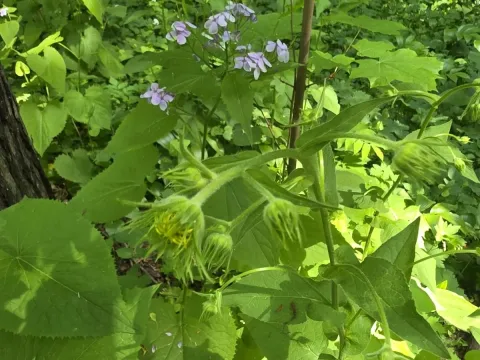
Telekia
Telekia
Telekia seeds are best sown in late autumn as they require a period of cold stratification to break dormancy and ensure uniform germination in the spring.
What the section contains


Telekia
For spring sowing, it is recommended to stratify seeds artificially by placing them in a refrigerator at temperatures between 2 and 5 degrees Celsius for about four weeks.
The most common and efficient method for propagation in agricultural settings is the division of mature clumps, which should be performed in early spring or after the flowering cycle.
When planting, ensure a spacing of at least 50 to 60 centimeters between individuals to accommodate the plant's wide basal rosettes and expansive root system.
If started indoors, sow seeds in trays during early March using a well-draining seed-starting mix, ensuring high light levels once the seedlings emerge to prevent etiolation.
Belonging to the Asteraceae family, Telekia is native to the forests and mountainous regions of Central and Southeastern Europe, thriving in cool environments.
While the plant can tolerate full sun, it performs significantly better in semi-shaded locations, especially in areas with hot and dry summer climates.
The ideal soil for Telekia is rich in organic matter, loose, and consistently moist, mimicking the forest floors of its natural habitat in European mountains.
Consistent soil moisture is essential; supplemental irrigation is often required during dry spells to prevent the large leaves from wilting and losing their ornamental value.
Telekia is highly hardy and can withstand low winter temperatures typical of its native range without the need for specialized protective coverings or mulch.
Root rot is the most significant threat in poorly drained or waterlogged soils, making site preparation with adequate drainage a priority for long-term health.
Powdery mildew may occur during seasons with high humidity and poor air circulation, manifesting as a white fungal growth on the foliage surface.
Slugs and snails are notorious pests that feed on the tender foliage of young Telekia plants, particularly during damp spring and summer weather conditions.
Aphids can sometimes infest developing flower buds, which may affect the aesthetic quality of the blooms if the infestation is not managed early on.
Effective management includes maintaining clean growing areas, avoiding overcrowding, and ensuring the plant remains vigorous through proper site selection.