
Thelesperma megapontanicum
Thelesperma megapontanicum
Description
Sowing dates
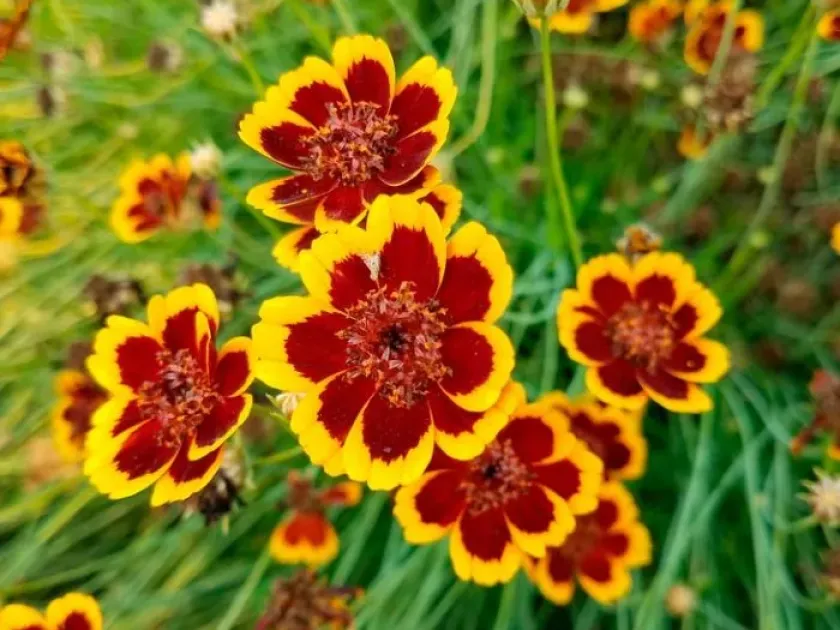
Thelesperma megapontanicum, commonly known as Navajo tea or Greenthread, is a species of flowering plant in the Asteraceae family. It is valued for its hardiness and adaptation to various semi-arid environments, making it a distinct subject for cultivation.
Sowing should take place in spring once the danger of frost has passed and soil temperatures have consistently reached 12-15 degrees Celsius. Direct drilling into well-prepared seedbeds is the standard practice for larger field applications.
For greenhouse production, seeds can be started in trays 6-8 weeks before the frost-free date. This approach provides better control over germination conditions, leading to more uniform seedling emergence across the crop.
Plants should be spaced approximately 30 centimeters apart to allow for proper airflow and root development. Excessive density can lead to diminished quality and increased susceptibility to moisture-related issues.
Initial weed control is essential after sowing until the seedlings reach a competitive size. Maintaining a clean field during the early growth phase significantly improves the final yield and plant vigor.
Growing requirements
This crop thrives in well-drained, sandy, or rocky soils with moderate fertility. Its ability to tolerate low-nutrient substrates is one of its key agricultural advantages, though supplemental fertilization may improve production outcomes.
Full sun exposure is a non-negotiable requirement for Thelesperma megapontanicum. Plants grown in shaded areas tend to become leggy, lose their aesthetic or chemical potency, and show increased susceptibility to pests.
Irrigation management is crucial; while the plant is drought-tolerant, consistent soil moisture during the establishment phase is beneficial. Once established, it requires minimal supplemental water, even in arid conditions.
The optimal pH range for this plant is near-neutral or slightly alkaline. Periodic soil testing is recommended to ensure that micronutrient availability remains within the range suitable for robust growth.
Regular maintenance involves cultivating the soil surface between rows to break up crusts, which promotes aeration and enhances water infiltration during rainfall events.
Main diseases and pests
The primary threats to this culture are related to root diseases and fungal infections caused by high humidity or poor soil drainage. Ensuring adequate field drainage is the most effective preventative measure.
Pest pressures include aphids and spider mites, which can sap plant vitality during dry spells. Biological control methods or targeted applications are recommended when economic thresholds for damage are exceeded.
Powdery mildew may occur if planting density is too high or if foliage stays wet for prolonged periods. Improving ventilation and spacing can significantly reduce the risk of such outbreaks.
Crop rotation should be practiced annually to minimize the buildup of soil-borne pathogens. Integrating a legume-based break crop can also enhance soil health and provide nitrogen benefits for subsequent seasons.
Regular field scouting is necessary to identify early symptoms of disease. Early intervention, including the removal of infected plant tissue, is standard practice for maintaining the overall integrity of the field.
Harvesting
Harvesting is typically timed during the peak flowering stage when the concentration of essential compounds or active secondary metabolites is at its highest point.
For commercial use, the aerial parts of the plant are usually cut with specialized machinery or hand tools. Proper timing is essential to ensure that the material is not harvested too late, which could lead to seed formation and a decrease in desired properties.
Post-harvest processing involves drying the plant material in a cool, ventilated environment protected from direct sunlight. This helps preserve the plant's volatile components and prevents discoloration.
Proper storage is required to maintain quality over time. Dried material should be kept in moisture-proof containers in a dry, dark place to avoid degradation by UV radiation or humidity.
Efficiency in harvesting is determined by the uniformity of flowering, which can be optimized through consistent agricultural practices throughout the growing season.