
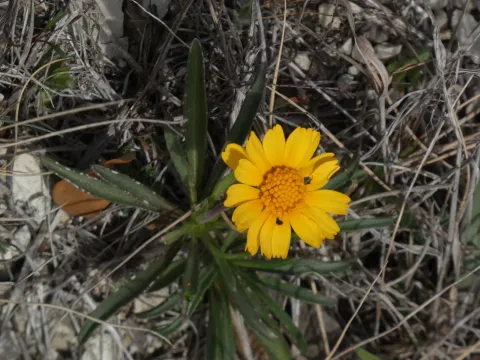
Tetraneuris
Tetraneuris
Tetraneuris is a genus of perennial herbs belonging to the Asteraceae family. Known for their resilience, these plants are highly regarded in sustainable landscaping for their ability to thrive in harsh, dry environments where nutrient-rich soil is scarce.
What the section contains

Tetraneuris
Botanically, the plant forms low-growing mounds with narrow, often hairy leaves that facilitate water retention. The flowers are typically bright yellow, daisy-like heads that provide long-lasting color and are highly attractive to local pollinators, including various species of bees.
The primary soil requirement for Tetraneuris is excellent drainage. Whether planted in sandy, rocky, or gravelly substrates, the plant demands an environment free from waterlogging to prevent root damage, which is the most common cause of failure in agricultural cultivation.
Originating from the western regions of North America, these plants are naturally adapted to significant temperature fluctuations and intense sun exposure. They are exceptionally hardy and perform well in xeriscaping applications, requiring minimal supplemental irrigation once the root system is established.
Host-plant utility focuses on ornamental use and soil conservation efforts. Because of their extensive root systems, they are effectively used to stabilize slopes and prevent topsoil erosion, serving both aesthetic and environmental roles in modern land management.
The primary threats to Tetraneuris are fungal pathogens, specifically those triggered by high humidity and poor soil drainage. Root and crown rots are the most common diseases that affect the vitality of the plant when kept in excessively moist conditions.
Common pests include aphids and spider mites, which can impact foliage during prolonged periods of drought. Maintaining proper air circulation between plants and avoiding overhead watering are key strategies in mitigating the risk of both pest infestations and fungal infections.