
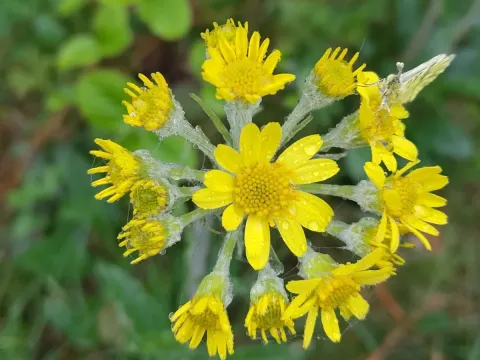
Tephroseris
Tephroseris (Rchb.) Rchb.
Tephroseris is a genus of perennial herbaceous plants belonging to the Asteraceae family. These plants are often distinguished by their pubescent foliage, which serves as a protective mechanism against moisture loss and thermal fluctuations. Their natural habitats range from alpine meadows to wetlands across the Northern Hemisphere.
What the section contains

Tephroseris
Successful cultivation requires soil that is rich in organic matter and possesses excellent drainage capabilities. While they appreciate consistent moisture, waterlogging is detrimental to their root systems. Incorporating organic compost during soil preparation is highly recommended to improve structure and nutrient availability.
Climatic requirements are generally focused on cooler to moderate temperatures. While some species show significant cold tolerance, extreme heat stress should be mitigated through proper site selection in partial shade. Providing a stable environment ensures the longevity of the plant and promotes healthier flowering cycles.
Agricultural management involves regular maintenance, including careful weeding and adequate spacing to ensure airflow. Given that these plants often grow in competitive environments, limiting the spread of aggressive weeds around the root zone is crucial for their establishment and sustained development throughout the growing season.
In terms of practical application, Tephroseris is primarily utilized in ornamental horticulture. Its aesthetic value lies in its vibrant inflorescences and structural foliage, making it a suitable candidate for rock gardens, native plant borders, and water-side landscaping. Its adaptability to diverse garden conditions makes it a versatile choice for landscape designers.
The primary threats include fungal pathogens such as powdery mildew, which thrive in conditions of poor air circulation and excessive humidity. To maintain healthy stands, it is essential to thin out overcrowded plantings and ensure the surrounding environment remains well-ventilated, reducing the incidence of disease outbreaks.
Pest pressures often involve sap-sucking insects like aphids and spider mites, particularly during drier spells. Integrated pest management strategies, focusing on early detection and the use of insecticidal soaps or horticultural oils, are effective for controlling these populations without compromising the surrounding ecosystem.