
Pentzia
Pentzia
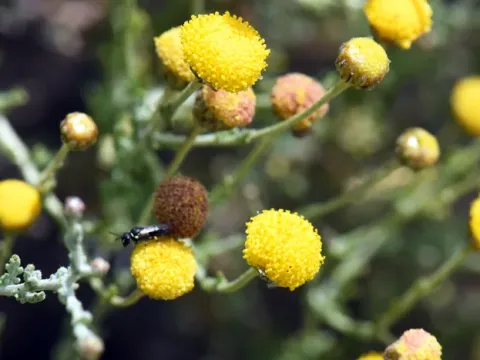
Pentzia (Pentzia) belongs to the Asteraceae family. It is a perennial herbaceous or semi-shrubby plant native primarily to the arid regions of Southern Africa. The plant is well-adapted to extreme temperature fluctuations and water scarcity, making it a valuable candidate for introduction in arid agricultural zones.
What the section contains


Pentzia
The crop exhibits high ecological plasticity. It thrives in well-drained, sandy, or rocky soils with a neutral to slightly alkaline pH. The plant is extremely sensitive to waterlogging; therefore, avoiding sites with standing water is critical, as excessive moisture often leads to root system decay and crop failure.
Optimal development of Pentzia requires high light intensity. It is a light-loving species that cannot tolerate partial shading, which causes leggy growth and reduces the concentration of beneficial essential oils in the tissues. During heat waves, it maintains turgor pressure thanks to an extensive root system that penetrates deep into the soil profile.
Agronomic management involves replicating the plant's natural habitat. Sowing is typically performed using a row method with wide spacing to ensure adequate aeration of the stand. Regular soil cultivation and weeding are essential to prevent surface crust formation and to conserve soil moisture levels for the root zone.
The primary economic use of Pentzia is within fodder production systems. In arid regions, it is highly valued as a nutritious forage crop for small ruminants, maintaining its nutritional profile even during the dry season. Additionally, it serves as a robust groundcover plant in water-wise landscaping projects.
The main threats to Pentzia stands are fungal diseases that emerge when moisture levels are not properly managed. Root rot is the most dangerous pathogen, particularly during periods of unseasonable rainfall or over-irrigation of the production field.
Among insect pests, sap-sucking insects cause significant damage to the plant. Aphid infestations are frequently recorded, as they withdraw cell sap, significantly reducing the vegetative mass and overall nutritional quality of the plant for livestock feed.
Spider mite attacks may occur during periods of extreme heat if preventive measures are neglected. For pest management, biological control methods are highly recommended to ensure the harvested foliage remains safe for consumption as a fodder supplement.
Disease prevention relies heavily on strict crop rotation protocols and avoiding over-dense planting. Ensuring sufficient air circulation between plants is a key factor in inhibiting the spread of fungal spores across the field during the growing season.
Ongoing breeding efforts are focused on developing varieties with enhanced resistance to soil-borne pathogens. Regular monitoring of the phytosanitary status of the crop is mandatory, especially during transition periods with erratic weather patterns.