
Pentzia hesperidum
Pentzia hesperidum
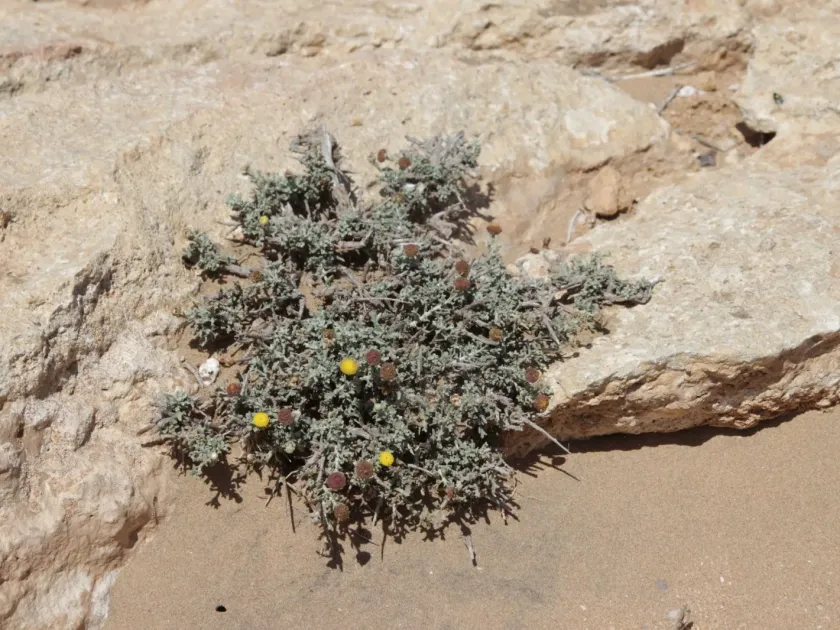
Description
Sowing dates
Sowing Pentzia hesperidum is best performed in early spring when the soil temperature consistently reaches 15–18 degrees Celsius. Greenhouse propagation is recommended for better control over early development.
Seeds should be sown in a well-draining, lightweight substrate and barely covered with soil, as they require light for optimal germination. Consistent but light moisture is critical during the initial sprout stage.
For outdoor sowing, ensure the threat of frost has passed. Planting in rows with sufficient spacing allows the plants to develop their characteristic compact bush habit without overcrowding.
Thinning should be practiced once the seedlings are strong enough to handle, ensuring each plant has enough space for adequate air circulation to prevent fungal growth.
Stratification of seeds prior to sowing can significantly improve germination rates, especially for batches that have been stored for long periods in dry conditions.
Growing requirements
Belonging to the Asteraceae family, Pentzia hesperidum is a robust, xerophytic species that thrives in full sun. It is specifically adapted to environments with intense solar radiation and minimal rainfall.
The soil must be exceptionally well-drained, as these plants are highly sensitive to root rot caused by waterlogged conditions. Sandy or gravelly soil profiles are preferred.
The species requires very little irrigation once established, making it a sustainable choice for water-scarce landscapes. Over-watering is the most common mistake in its cultivation.
Neutral to slightly alkaline pH levels are ideal. In acidic soil conditions, amendments such as lime may be necessary to ensure the plant's health and vigor throughout the growing season.
Good ventilation is essential to maintain plant health, as stagnant air around the foliage can lead to humidity-related diseases, even if the root zone is kept relatively dry.
Main diseases and pests
Fungal pathogens, particularly those causing root and crown rot, represent the most significant threat to Pentzia hesperidum, usually triggered by excessive humidity or poor soil drainage.
Pests such as aphids and spider mites may target the plants during dry spells. Regular inspection of the undersides of leaves is recommended for early detection and mitigation.
To prevent disease spread, it is crucial to avoid overhead irrigation, which keeps the foliage wet for extended periods and creates a breeding ground for pathogens.
Crop rotation and selecting clean, disease-free planting sites are fundamental strategies to minimize the impact of soil-borne pests and common Asteraceae diseases.
In case of infestation, integrated pest management practices, including the use of targeted biological agents, are preferred over broad-spectrum chemical pesticides to maintain ecological balance.