
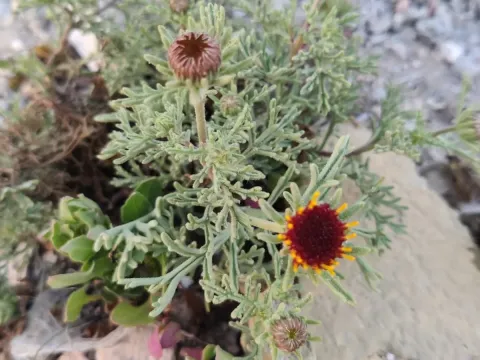
Perralderia
Perralderia
Perralderia is a fascinating genus of herbaceous plants belonging to the Asteraceae family. Known for its resilience and unique biochemical profile, this crop is often studied for its potential in pharmaceutical and agricultural applications, particularly in dryland ecosystems.
What the section contains

Perralderia
Originating from the arid regions of North Africa, specifically the Maghreb area, the plant is naturally adapted to harsh, rocky, and nutrient-poor soils. This evolutionary heritage makes it a hardy candidate for low-input agricultural systems in Mediterranean-type climates.
Botanically, Perralderia is characterized by its rosettes of finely divided, often pubescent leaves that minimize water loss. The bright yellow flower heads typical of the sunflower family are not only visually distinct but also contain high concentrations of secondary metabolites that are of interest for various industrial uses.
The crop thrives in well-drained, alkaline, or neutral soils. It is highly intolerant of waterlogging, which can cause rapid root decay. Therefore, selecting sloped land or ensuring excellent soil drainage is a prerequisite for successful cultivation to avoid long-term crop failure.
Regarding climate, Perralderia is a xerophytic plant that prefers maximum solar exposure. While it handles high temperatures exceptionally well, excessive humidity during the growing phase can be detrimental, leading to fungal stress and poor overall development of the essential oil composition within the plant.
Sowing should be performed in the spring when soil temperatures stabilize between 15°C and 18°C. Because the seeds can be sensitive to cold damp soil, waiting for the frost-free period is essential to ensure a high germination rate and strong initial seedling growth.
Seed depth should be kept shallow, approximately 1 centimeter. Proper soil preparation involves creating a fine, granular seedbed that provides good seed-to-soil contact while maintaining enough aeration for the sensitive root system to develop without impedance.
Spacing is critical for this species; a row spacing of at least 40 centimeters is recommended to allow for adequate airflow and weed management. Overcrowded plants are significantly more prone to disease, particularly under conditions of fluctuating humidity.
For better control, nursery-grown transplants can be used. This method ensures that plants are already established before they are moved to the field, reducing the risk of mortality due to environmental stress or competition from fast-growing weeds during the early vegetative stage.
Thinning is necessary for direct-seeded crops to ensure proper plant density. Once the seedlings have reached the two-leaf stage, removing weaker individuals allows the remaining plants to develop their full potential, maximizing the quality and yield of the harvestable biomass.
The yield of Perralderia primarily depends on the harvesting of its foliage and flowers, which are the main parts used in commercial applications. Under optimal conditions, the plant can produce multiple harvests within a season, provided that the soil nutrient levels are maintained and moisture is managed carefully.
Productivity is highly correlated with solar radiation and temperature. In years with long, dry, and sunny summers, the secondary metabolite production reaches its peak, resulting in higher quality yields, even if the total fresh biomass might be lower than in wetter seasons.
Harvesting should be timed to match the early flowering stage when the concentration of beneficial compounds is highest. Improper timing, such as harvesting when the plant is too mature, often results in lignified stems and a lower proportion of active ingredients in the harvested material.
Post-harvest management is equally important. Rapid drying of the harvested parts in a well-ventilated, shaded area is required to preserve the volatile oils and prevent mold growth, which can quickly degrade the value of the final agricultural product.
Total yield expectations should be realistic, as this is a niche crop rather than a mass-market commodity. Focus should remain on quality rather than quantity, utilizing standardized harvesting procedures to ensure consistency across batches intended for the medicinal or cosmetic market.
Root rot and crown diseases are the primary threats, usually stemming from over-irrigation or improper soil drainage. These pathogens can cause a rapid decline in plant health, often manifesting as yellowing leaves and wilting, which are usually irreversible once established.
Powdery mildew can become a significant issue during periods of high atmospheric humidity, particularly when there is poor air circulation between plants. Regular monitoring of the foliage and preventive applications of natural fungicides are standard practices for sustainable control.
Aphids and spider mites are common pests that target the younger, more succulent parts of the plant. Since many producers of this crop aim for organic certification, the use of botanical insecticides or soapy water solutions is generally preferred over conventional systemic pesticides.
Weed infestation is a major hurdle during the establishment phase. Weeds compete for space, water, and nutrients, and also act as secondary hosts for many of the insects that attack Perralderia. Mechanical weeding or mulching with appropriate materials is highly recommended.
Crop rotation is essential for long-term field hygiene. Avoiding the cultivation of other Asteraceae species in the same plots prevents the buildup of soil-borne pathogens and pests, thereby ensuring that the land remains productive for subsequent planting cycles.