
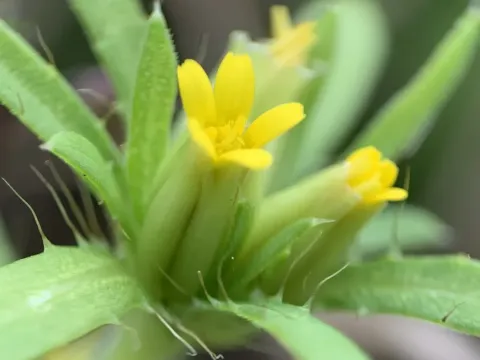
Pectis
Pectis
The sowing of Pectis seeds is typically carried out in the spring, once soil temperatures reach a comfortable range of 15–18 degrees Celsius. Due to their small size, seeds should be sown shallowly, ideally at a depth of 0.5 to 1 cm, ensuring adequate seed-to-soil contact.
What the section contains


Pectis
Starting seeds in trays indoors is highly recommended to ensure uniform growth and to extend the growing season. Seedlings are usually started 6–8 weeks before the last frost date, ensuring they are ready for transplanting once the weather stabilizes.
When sowing directly into the ground, spacing is crucial for plant development. Rows should be spaced 30 to 45 centimeters apart to allow for proper airflow and to facilitate mechanical or manual weeding during the early stages of growth.
Pectis requires significant light for germination and initial development. Therefore, seedbeds must be located in areas free from shade, and seedlings should be hardened off before being placed in their permanent outdoor location.
Consistent soil moisture is vital until the seedlings are well-established. Over-drying the seedbed during the first two weeks can significantly reduce germination rates and crop density.
Pectis is a sun-loving plant that thrives in warm climates. Optimal growth is achieved at temperatures between 20 and 30 degrees Celsius, and the plant requires full sun exposure to maximize the production of essential oils within its leaves.
The crop demands well-drained soil, preferably sandy or sandy loam textures with a neutral to slightly acidic pH. Avoiding waterlogged soil is critical to preventing root rot and ensuring the health of the plant's delicate root system.
While mature Pectis plants exhibit reasonable drought tolerance, consistent moisture levels during the vegetative growth phase are necessary for high-quality biomass yields. Irrigation should be applied carefully to avoid saturating the soil.
Fertility requirements are moderate; excessive nitrogen application can lead to lush green growth but often dilutes the concentration of essential oils. Balanced nutrition, with a focus on phosphorus and potassium, is preferred.
Regular aeration of the soil through light cultivation is beneficial. It prevents the formation of a surface crust and helps maintain the oxygen levels in the rhizosphere, which is essential for vigorous plant development.
The main threats to Pectis are fungal pathogens, which become problematic in high-humidity environments. Root and crown rot are common if irrigation management is poor or if the soil lacks sufficient drainage.
In terms of pests, aphids and spider mites are the most frequent attackers. They feed on plant sap, causing leaf curling and potential damage to the oil glands, which directly impacts the quality of the essential oil extract.
Crop rotation is essential for disease and pest control. Avoiding planting Pectis after other members of the Asteraceae family helps to disrupt the life cycles of species-specific pests that might have accumulated in the soil.
Integrated pest management, including the use of biological control agents and the removal of infected plants, is recommended to keep pest populations below the economic injury level.
Improving air circulation by managing plant spacing significantly lowers the risk of mildew and other foliage diseases that thrive in stagnant, humid conditions within the planting rows.
Harvesting Pectis should take place during the peak of the flowering period, as this is when the concentration of aromatic oils reaches its maximum potential. Timing the harvest accurately is essential for high product quality.
Post-harvest handling must be swift. The biomass should be processed or dried immediately to prevent the volatilization of essential oils. Drying should occur in a shaded, well-ventilated space at temperatures below 35 degrees Celsius.
Harvesting techniques involve cutting the plants a few centimeters above the ground. Maintaining cleanliness during the process is critical to ensure the harvested material is free from soil particles and debris.
Steam distillation is the preferred method for extracting oils from Pectis. Processing the raw material as quickly as possible after harvest ensures the highest yield and best chemical profile for the final extract.
Properly dried material should maintain a vibrant color and a robust, pleasant scent, serving as a key indicator of successful agronomic practices and appropriate harvesting management.