
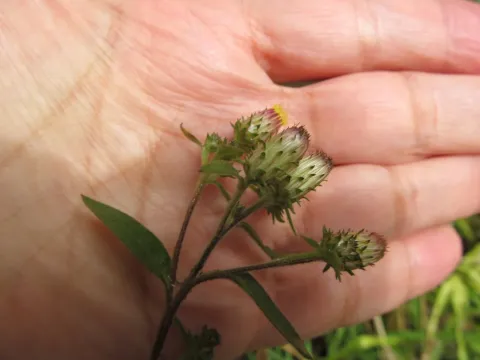
Pentanema
Pentanema
The Pentanema genus belongs to the Asteraceae family and encompasses a group of perennial herbaceous plants and subshrubs. Historically, these species were often classified within the Inula genus, sharing many botanical characteristics such as yellow flower heads and glandular pubescence.
What the section contains


Pentanema
These plants are native to diverse regions spanning across Europe and Asia, thriving in environments that range from temperate zones to semi-arid climates. They are notably heliotropic, requiring significant solar exposure to reach their full biomass potential and peak flowering quality.
In terms of soil requirements, Pentanema thrives in well-drained, sandy or loamy soils that prevent root saturation. It is highly sensitive to waterlogging, which can cause crown rot; therefore, selecting sites with optimal elevation and soil porosity is a priority for successful cultivation.
Agronomic management involves regular weed suppression during the establishment phase, as the plant competes poorly with aggressive perennial weeds. Minimal irrigation is usually sufficient once the plants are established, though supplemental watering may be needed during prolonged droughts.
The economic value of this crop lies in its secondary metabolites. Various species are utilized for their essential oils and flavonoids, which have applications in traditional medicine and modern pharmacology. Furthermore, they serve as excellent ornamental specimens in sustainable, low-maintenance landscapes.
Fungal pathogens such as powdery mildew are the most prevalent threats, particularly in environments with poor air circulation and high humidity levels.
Root-knot nematodes can impact plant vitality in infected soils, causing stunted growth and reducing the overall quality of the harvested botanical material.
Aphids and other sap-sucking insects often target young shoots and floral buds, necessitating early detection through regular field scouting during the vegetative season.
Cultural control methods, such as clearing plant debris after the harvest, are essential to break the life cycle of common pests and pathogens that overwinter in soil.
Maintaining balanced fertilization schedules helps ensure plant vigor, allowing the crops to better withstand environmental stresses and potential disease outbreaks.