
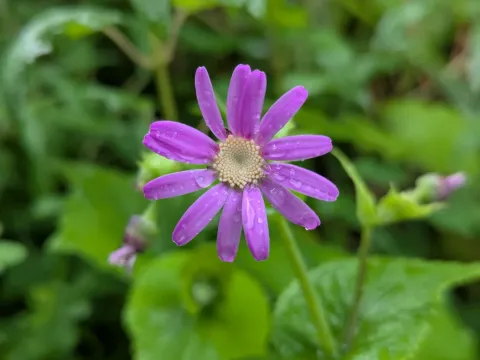
Pericallis
Pericallis D. Don
The propagation of Pericallis, widely recognized as cineraria in the florist trade, is typically initiated from seed in late summer or early autumn to ensure winter bloom.
What the section contains


Pericallis
The seeds are minute and must be sown on the surface of a fine, moist potting mix without covering them, as they require light to germinate effectively.
Providing a consistent temperature between 18 and 20 degrees Celsius is crucial during the germination phase, which usually lasts about two weeks.
Once the seeds have germinated, it is important to provide sufficient air circulation and gradually reduce humidity to prevent damping-off diseases.
Seedlings should be transplanted into individual pots once they develop their first true leaves, ensuring that the root system is handled with great care.
As a member of the Asteraceae family, Pericallis thrives in cool temperatures, ideally between 10 and 15 degrees Celsius for mature, blooming plants.
The crop requires bright but filtered light, as direct, intense sunlight can lead to leaf scorching and a rapid decline in the plant's overall health.
Well-draining, nutrient-rich soil is essential for success; the substrate should be kept consistently moist but never waterlogged to protect the roots.
Originating from the Canary Islands, Pericallis prefers high atmospheric humidity and cool, stable environments, making it a perfect greenhouse crop.
Proper nutrient management through a balanced liquid fertilizer is required during the vegetative growth phase to support lush foliage and bud development.
Aphids are among the most common pests that infest Pericallis, often clustering on the undersides of leaves and on the developing flower buds.
Spider mites can become a significant problem in environments with low humidity, causing fine webbing and stippling damage on the foliage.
Botrytis, or grey mold, is a frequent threat to this crop, especially in crowded greenhouse conditions where ventilation is poor and humidity is high.
Whiteflies can also transmit viruses and cause severe damage by feeding on plant sap, necessitating prompt intervention with appropriate pesticides.
- Maintain good air movement in the greenhouse.
- Monitor for early pest infestations regularly.
- Remove any decaying plant debris immediately.