
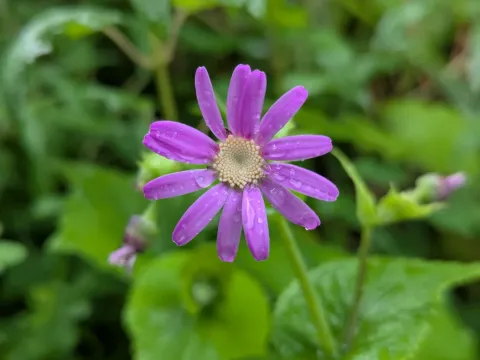
Pericallis
Pericallis
Pericallis, commonly recognized as cineraria, is propagated via seeds, typically sown indoors during the late winter months.
What the section contains


Pericallis
Sowing should take place between December and February to ensure a stable growth period before the onset of the flowering season.
The seeds are extremely fine, necessitating shallow placement in a sterile, damp starting medium to ensure optimal germination rates.
Once seedlings develop their first true leaves, they must be pricked out and transplanted into individual pots to accommodate root expansion.
Consistency in lighting and temperature after germination is vital for developing compact and healthy plant specimens throughout the cycle.
As a member of the Asteraceae family, Pericallis originates from the Canary Islands, favoring mild and cool Mediterranean climates.
The ideal substrate for this crop consists of a well-drained, nutrient-rich potting mix with a pH level maintained near neutral.
The plant thrives in bright, filtered light and should be protected from harsh, direct sunlight that can scorch the foliage.
Cooler temperatures are essential for the plant's health; a range of 10 to 15 degrees Celsius is perfect for prolonging the flowering period.
Watering requires strict attention, as the soil should remain consistently moist without ever becoming waterlogged to prevent root rot.
Powdery mildew is the most common fungal disease associated with Pericallis, particularly when humidity levels remain too high.
Aphids are frequent pests that infest the underside of leaves and growing tips, feeding on the plant's sap and stunting development.
Whiteflies represent another significant threat, as they can multiply rapidly in greenhouse conditions and weaken the plant structure.
Effective management includes integrated pest control strategies, such as biological agents or targeted insecticidal applications when necessary.
Proper sanitation, including removing fallen debris and maintaining adequate space between plants, helps mitigate the spread of potential threats.