
Pentzia albida
Pentzia albida
Description
Growing requirements
Pentzia albida is a perennial subshrub belonging to the Asteraceae family. It is renowned for its remarkable ability to survive in arid and semi-arid environments, making it a subject of interest for agricultural use in harsh climates.
Native to the arid regions of Southern Africa, this plant has evolved to manage high temperatures and water scarcity. Its resilience is attributed to its specialized physiological mechanisms that allow it to remain viable during prolonged dry spells.
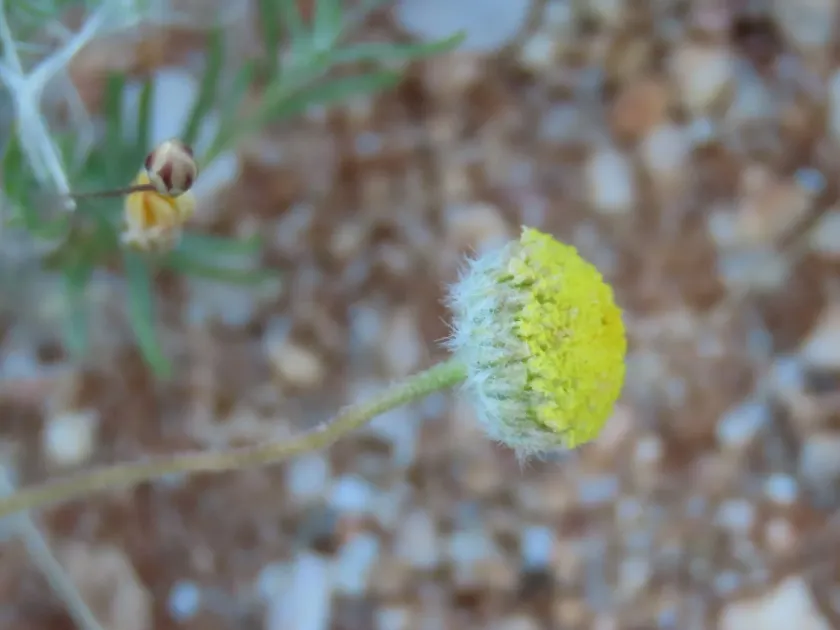
Botanically, the plant features a dense, branching habit with small, finely textured, and often pubescent leaves. This silvery-white foliage is a distinct adaptation to reduce solar radiation absorption and moisture loss.
The cultivation requirements focus heavily on soil structure; it strictly demands well-drained, sandy, or rocky soils. It cannot tolerate waterlogged conditions, which lead to rapid root rot and systemic failure of the plant.
Ideal conditions include high solar exposure and regions with low annual rainfall. Proper site selection is crucial, as the plant struggles in high-humidity or poorly ventilated areas where fungal pressure increases significantly.
Yield
The primary agricultural use of Pentzia albida is as a forage plant for small ruminants. It provides an essential source of nutrition in pastoral systems where other conventional grasses fail to provide enough biomass.
Yields are characterized by steady rather than explosive growth. While it may not compete with high-input crops in terms of bulk, its consistency in drought-prone areas provides a reliable safety net for livestock producers.
Quality management of the pasture involves careful monitoring of grazing intensity. Overgrazing can deplete the root reserves of the plant, whereas rotational grazing practices allow the plant to recover and maintain long-term productivity.
Nutritional analyses suggest that the plant remains palatable even when mature, which is a significant advantage for late-season grazing. It assists in maintaining the metabolic health of herds during periods of feed scarcity.
Furthermore, the plant contributes to soil stabilization. Its extensive root system helps prevent wind and water erosion in vulnerable, sandy landscapes common in its native habitat.
Main diseases and pests
Fungal pathogens associated with damp environments are the most significant threat to Pentzia albida. Root rot is particularly lethal and is almost exclusively caused by improper irrigation or poor drainage in the planting bed.
Pests, particularly aphids and other sap-sucking insects, pose a risk during the active growing season. Infestations can drain the plant of essential nutrients and lead to reduced vigor and stunted biomass production.
Soil-borne nematodes can undermine the root system, especially in plots that have been continuously cropped with the same family of plants. Integrating diverse plant species into the landscape helps mitigate these risks.
Wildlife and small rodents often target young, succulent growth. Implementing protective measures during the establishment phase of the plantation is essential to ensure a high survival rate of the initial stand.
Weed competition is a silent threat to this light-demanding plant. If neighboring invasive species grow too tall, the lack of direct sunlight will rapidly cause the Pentzia plants to decline and eventually perish.